The River Cam around the Mathematical Bridge is one of Cambridge's most iconic scenes. Nestled beside Queens' College, the bridge—first built in 1749—is celebrated for its elegant engineering, appearing to curve gracefully while being constructed entirely from straight timbers. Together with the surrounding college buildings and tree-lined banks, it creates one of the city's most recognisable views.
Passing beneath the bridge are Cambridge's famous punts, flat-bottomed boats propelled by a long pole along the riverbed. Once working craft on shallow waterways, they evolved into the leisure boats that have become synonymous with the city. Today, punting remains one of Cambridge's best-loved traditions, offering a peaceful way to experience the history and beauty of the River Cam.
The images above , left and below were shot from Silver Street Bridge with the Leica Q3.
Having an interest in cameras, it's almost inevitable that I'll find myself checking out another photographer's gear. This chap was a cameraman from a local TV station in Spain, filming the Christmas lights switch-on in Catral. While he was focused on the event, I couldn't resist making him the subject instead.
Shot with the Leica Q3.
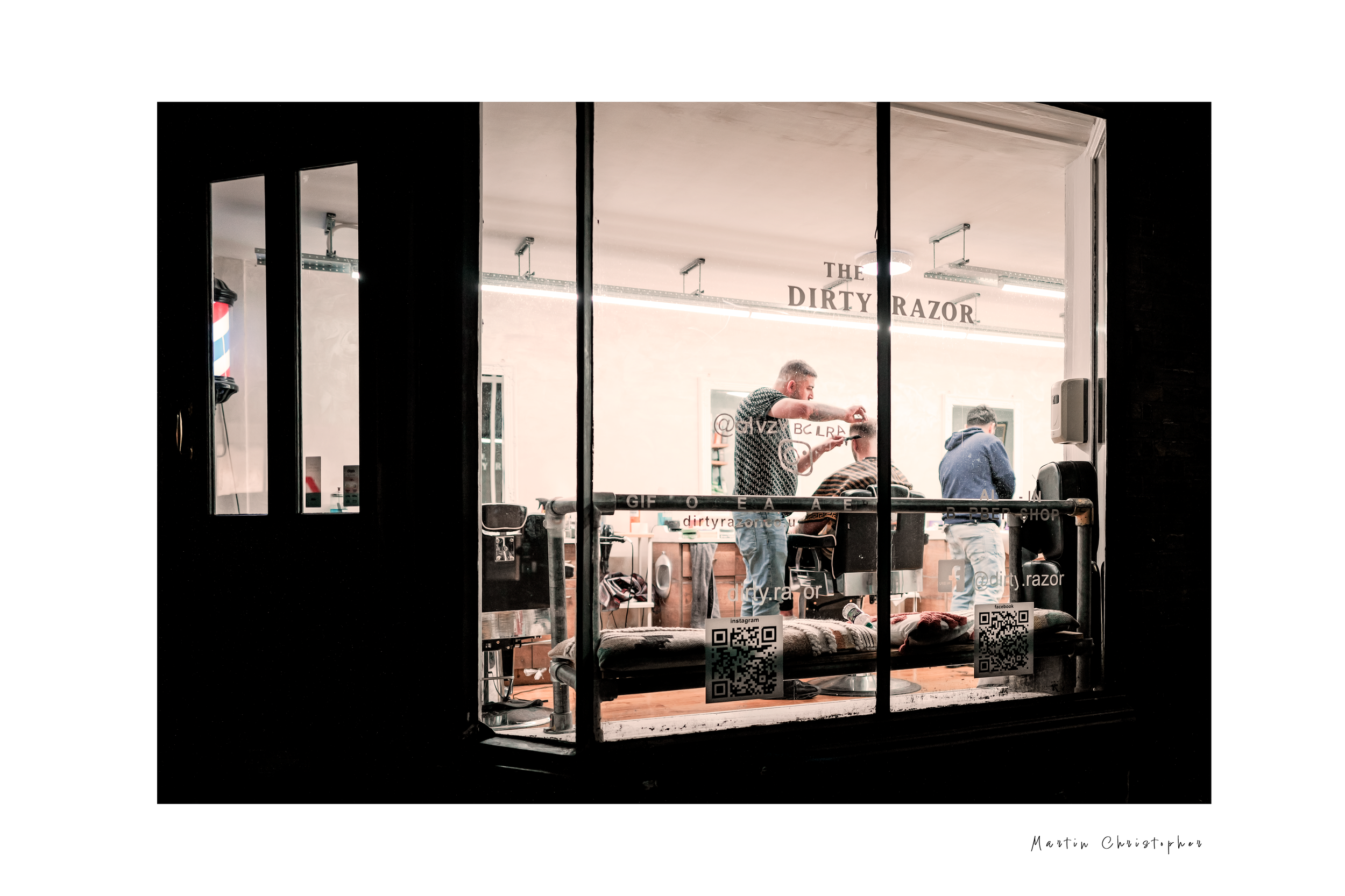
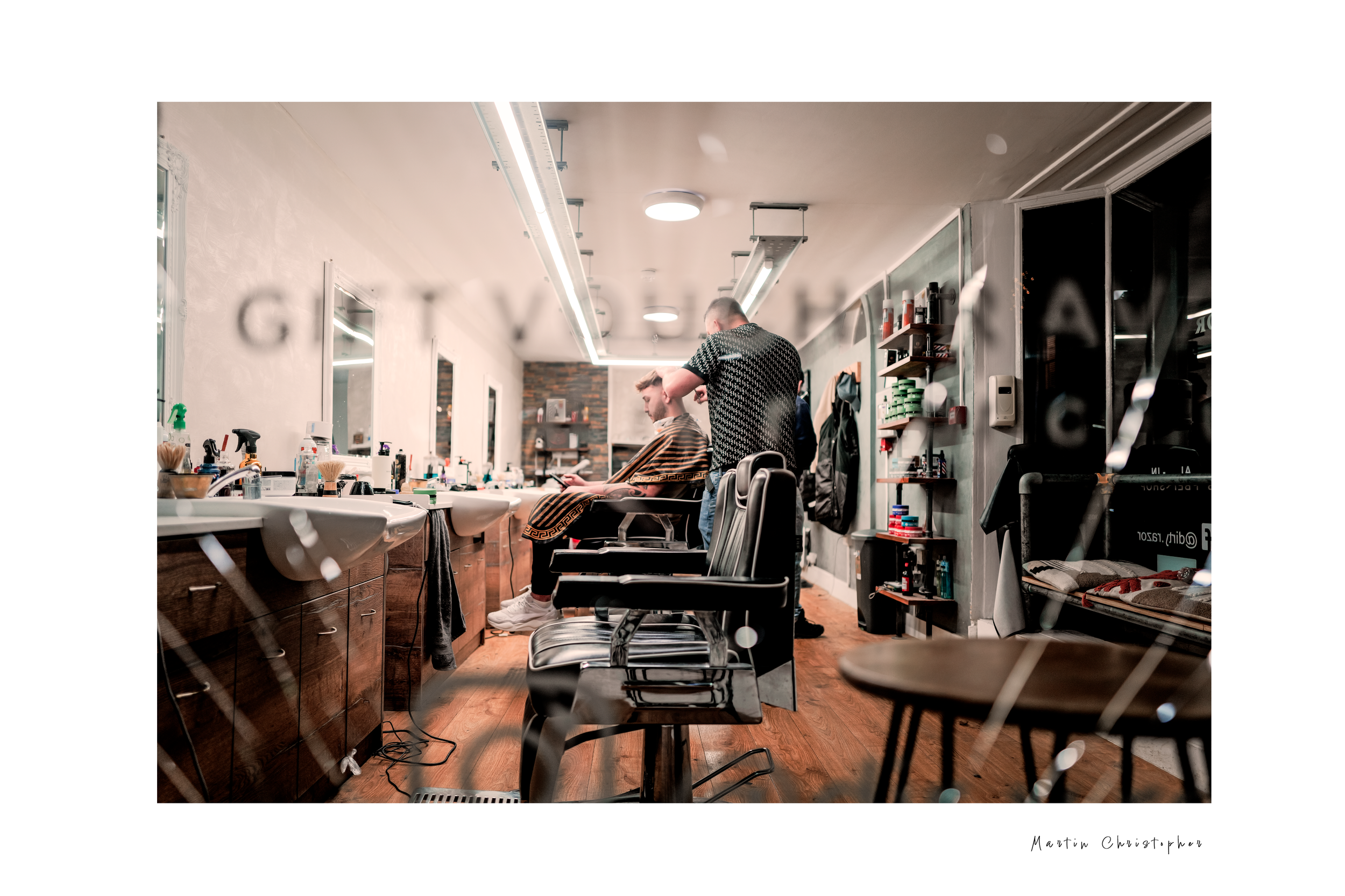
Barbers shops set an interesting scene , especially looking into the shop from outside , darkness into light. It seems to highlight the industrious nature of this service and the interaction between barber and client. The two shots above were taken in the city centre of Chichester UK with the Leica Q3.
In contrast for more than 800 years, Swaffham's Saturday market has been at the heart of the town. Its origins date back to the 12th century, with the first written record appearing in 1215 during the reign of King John. Thanks to its strategic location between King's Lynn, Norwich and London, the market grew into one of Norfolk's most important trading centres, where farmers, craftsmen and merchants gathered each week to sell livestock, grain, produce and household goods.
Today, the Saturday market remains a thriving tradition, with stalls selling everything from fresh local produce and plants to clothing and antiques.
The fishmonger is a familiar face at Swaffham's Saturday market, continuing a tradition that has been part of the town's rich market heritage for generations. Captured with the Leica Q3.
This is a tour guide in the Jewish Quarter of Kraków, Poland, standing outside one of the area's historic synagogues. Kazimierz, as the district is known, is a fascinating place to explore, but it also carries the weight of a tragic history. During the Nazi occupation of Poland, many of the city's Jewish residents were forced from this neighbourhood into the nearby Kraków Ghetto before being deported to concentration and extermination camps, including Auschwitz-Birkenau. The area stands as a powerful reminder of the lives that were lost and the communities that were destroyed.
Today, Kazimierz has been transformed into one of Kraków's most vibrant and culturally rich districts. Its restored synagogues, museums, cafés and galleries celebrate Jewish heritage while ensuring that the events of the Second World War are never forgotten.
This image was taken outside the famous Cloth Hall (Sukiennice), the historic indoor market in the heart of Kraków's Main Market Square. For more than 700 years, merchants have traded here, making it one of Europe's oldest continuously operating market halls. Originally built in the 13th century as a centre for international commerce, it was where traders from across Europe exchanged cloth, spices, leather, salt and other valuable goods. Today, the market retains its historic character and is one of the city's most recognisable landmarks.
The arcades are now lined with stalls where local artists and craftspeople sell traditional Polish amber jewellery, wood carvings, paintings, ceramics and handmade souvenirs. Outside, the square is alive with musicians, horse-drawn carriages, cafés and street performers, creating one of the most vibrant public spaces in Europe. This photograph captures just a small glimpse of the atmosphere surrounding this remarkable building.
This portrait of a young shopkeeper was taken outside his small store in one of the narrow streets surrounding the Mosque–Cathedral of Córdoba. The winding lanes are full of independent shops, courtyards and cafés, and it is easy to lose yourself wandering through this remarkable part of the city. Like so many people I photographed in Córdoba, he was friendly and happy to pause for a moment.
The area is steeped in history and reflects the unique blend of Islamic and Christian heritage that makes Córdoba one of Spain's most fascinating cities. The Great Mosque was built in the 8th century when Córdoba was the capital of the Islamic Emirate of Al-Andalus. Following the Christian reconquest in 1236, the mosque was consecrated as a cathedral, and over the centuries a Renaissance nave was constructed within the original structure. Today, the Mosque–Cathedral stands as one of the world's most remarkable examples of two cultures and faiths sharing the same architectural space, and the surrounding streets continue to reflect that rich and diverse history. Taken with the Leica Q3.
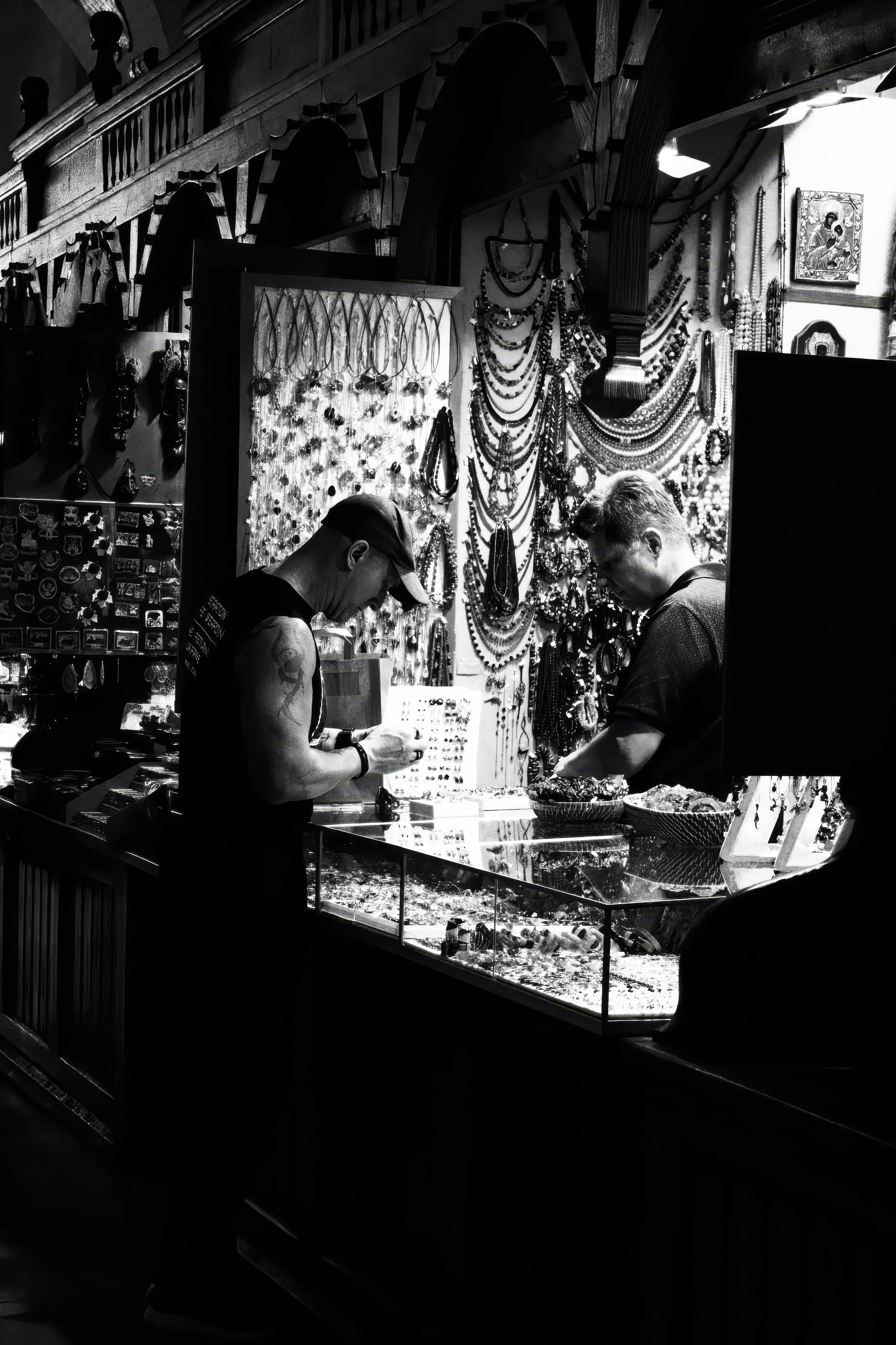
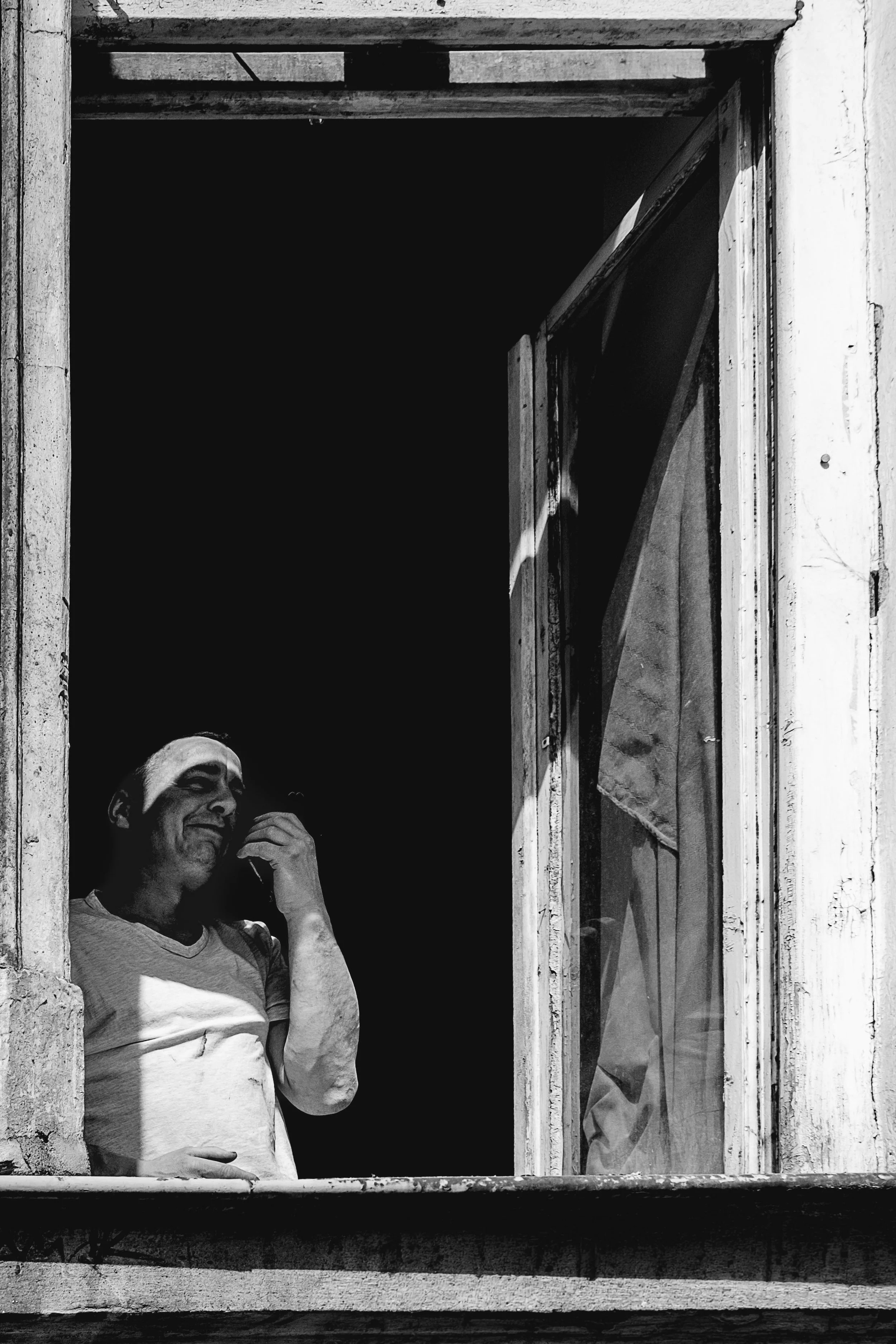
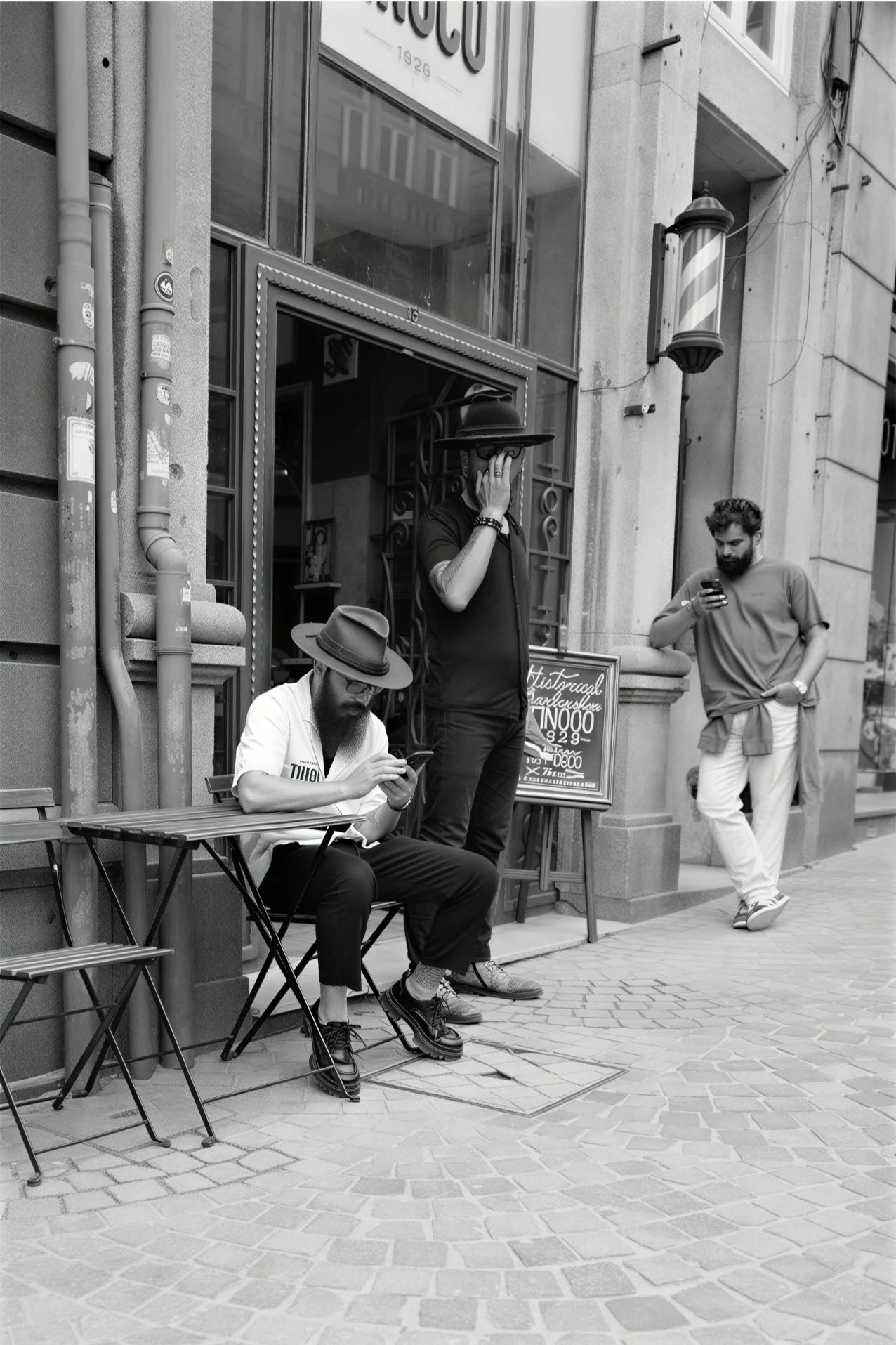
The three images above were taken in three different European cities. The commentary below follows the photographs from left to right.
The first image was captured inside the historic Cloth Hall market in Kraków, where a stallholder is selling handcrafted jewellery, continuing a tradition of artisan trading that has existed here for centuries.
The middle photograph shows a workman renovating an apartment in Prague, a reminder that historic cities are constantly evolving while preserving their architectural heritage.
The image on the right captures two Portuguese barbers taking a quiet moment outside their shop in Porto, enjoying a break between customers. Sometimes the simplest everyday scenes reveal the true character and rhythm of a city.
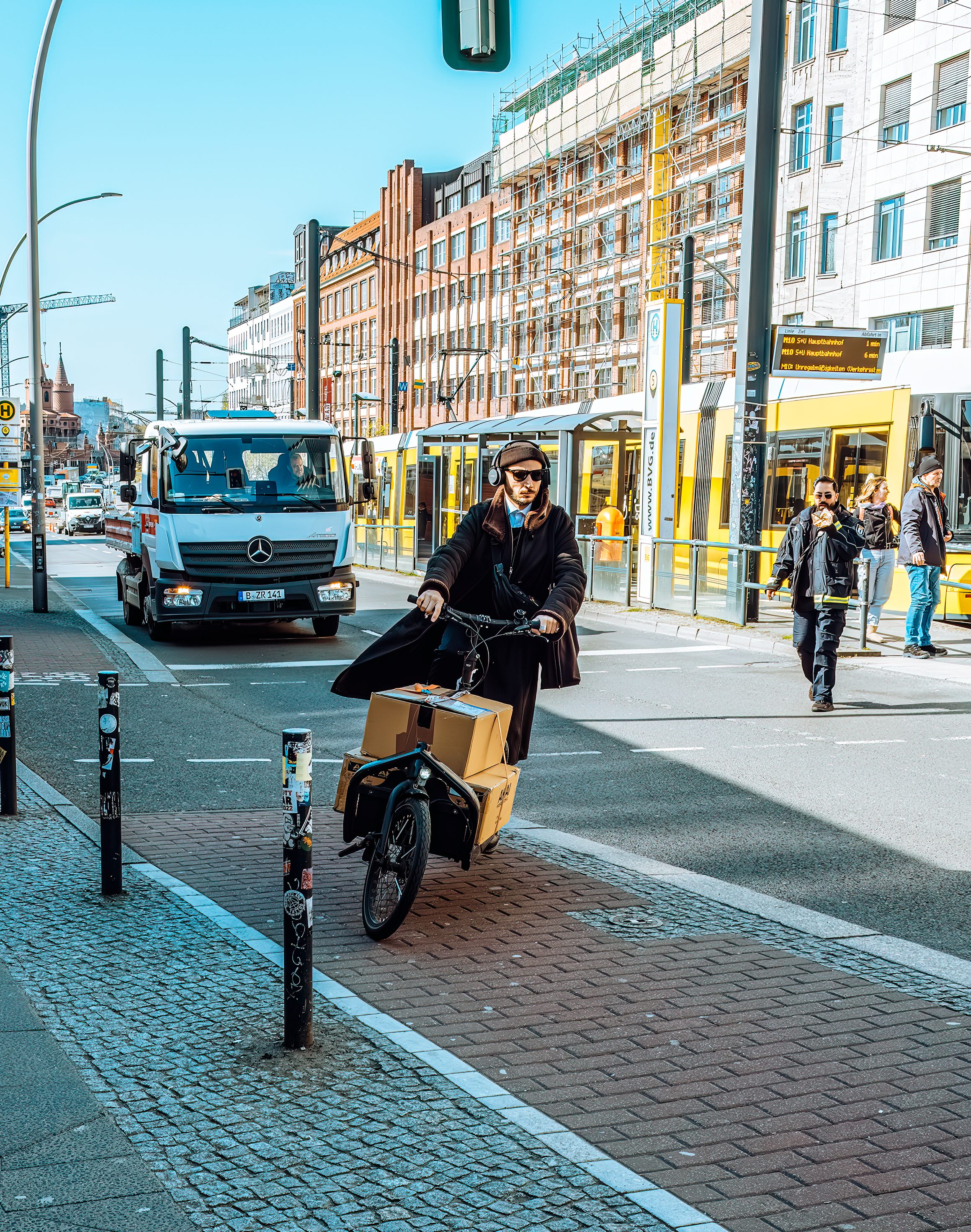
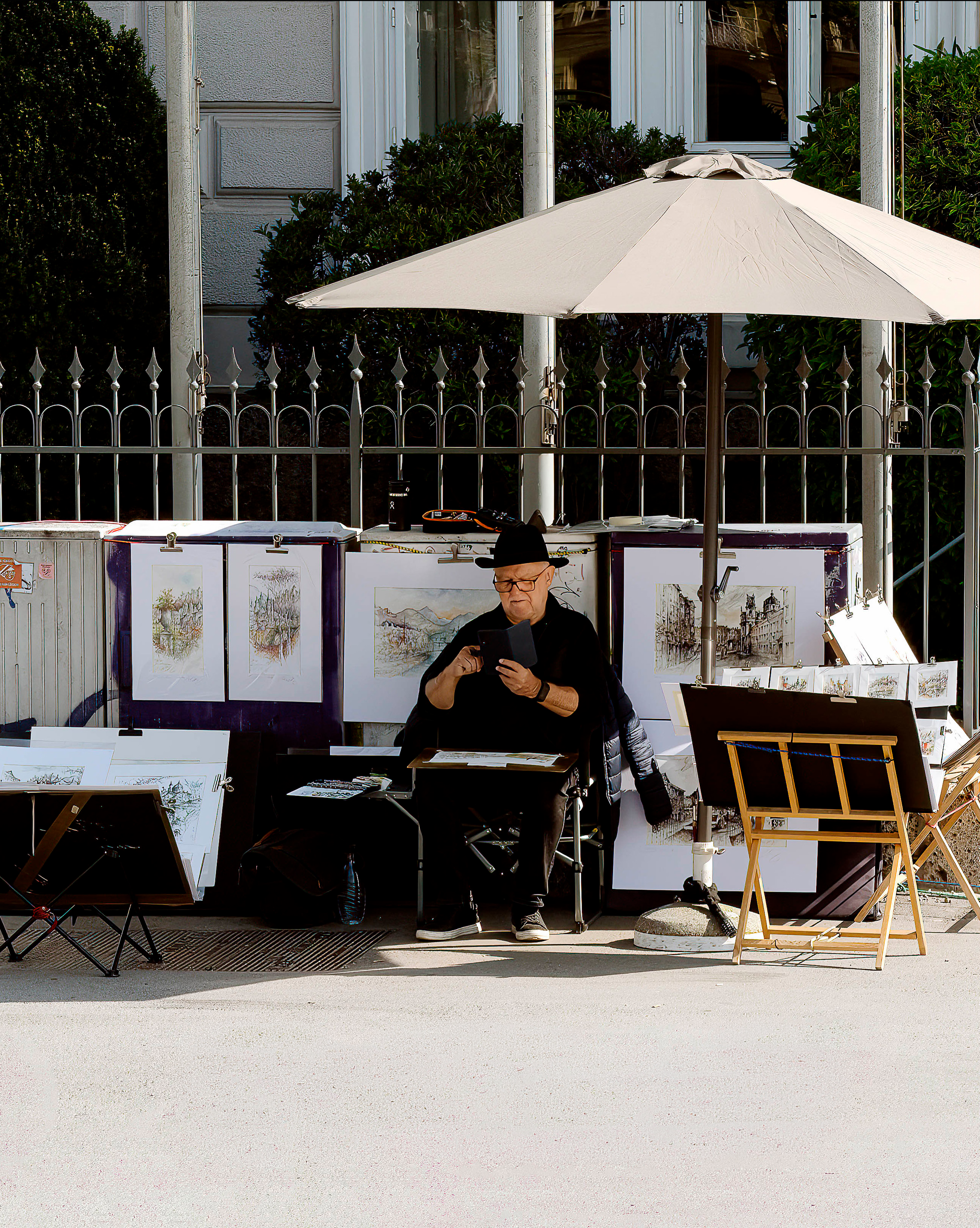
The first image, on the left, was taken in Berlin and captures a cycle courier weaving effortlessly through the city's busy streets. Surrounded by cars, lorries, trams and buses, he seemed completely unfazed, skilfully finding his way through the traffic with speed and confidence. It was a fleeting moment that perfectly reflected the energy and pace of city life.
The second image, on the right, was taken in Salzburg, Austria, and shows a local artist sitting on one of the city's historic river bridges. I always try to speak with the people I photograph whenever possible, and our conversation proved invaluable. He generously shared his favourite locations for photographing Salzburg, and as it turned out, his recommendations were spot on. Encounters like this often become as memorable as the photographs themselves.
This image captures a street performer entertaining the crowds during the famous Las Fallas Festival in Valencia, one of Spain's most spectacular celebrations. For several days and nights, the city comes alive with music, fireworks, street theatre and towering artistic sculptures, creating an atmosphere unlike anywhere else.
It had been many years since I'd last pulled an all-nighter, but Las Fallas was simply too captivating to miss. The energy, colour and constant buzz of activity meant there was no time for sleep. Every street seemed to offer another unforgettable scene, and this juggler was just one of the many performers who helped make the festival such an extraordinary photographic experience. Taken with the Leica Q3.
These men were working to strengthen the sea defences on the beach at Cromer, on the Norfolk coast of eastern England. This stretch of coastline has long been vulnerable to coastal erosion, with powerful North Sea storms continually reshaping the cliffs and beaches. Protecting communities and infrastructure from the advancing sea is an ongoing challenge.
The men had paused on the promenade, standing above the beach wall to watch the work taking place below. Their stance suggested quiet concentration, as if reflecting on the scale of the task. It was one of those moments where the people, rather than the engineering itself, became the real subject of the photograph. Taken with the Leica Q3.
This image was taken in the streets of Florence, Italy, and features another street artist—one of my favourite subjects to photograph. Their creativity and quiet concentration often make for compelling portraits, but capturing these moments usually begins with a conversation rather than raising a camera.
Many street artists are understandably protective of their work, concerned that it may be photographed, copied or reproduced without their permission. Taking the time to introduce yourself, explain your intentions and build a little trust almost always results in a more relaxed, natural portrait. For me, that brief human connection is just as important as the photograph itself. Taken with the Leica Q3.
C
There is something timeless about this scene. Long before tourists arrived with cameras, men gathered on this beach waiting for the fishing boats to return, continuing a tradition that has sustained Cromer and its famous crab fishery for generations.
To see more of my pictures from Cromer click here
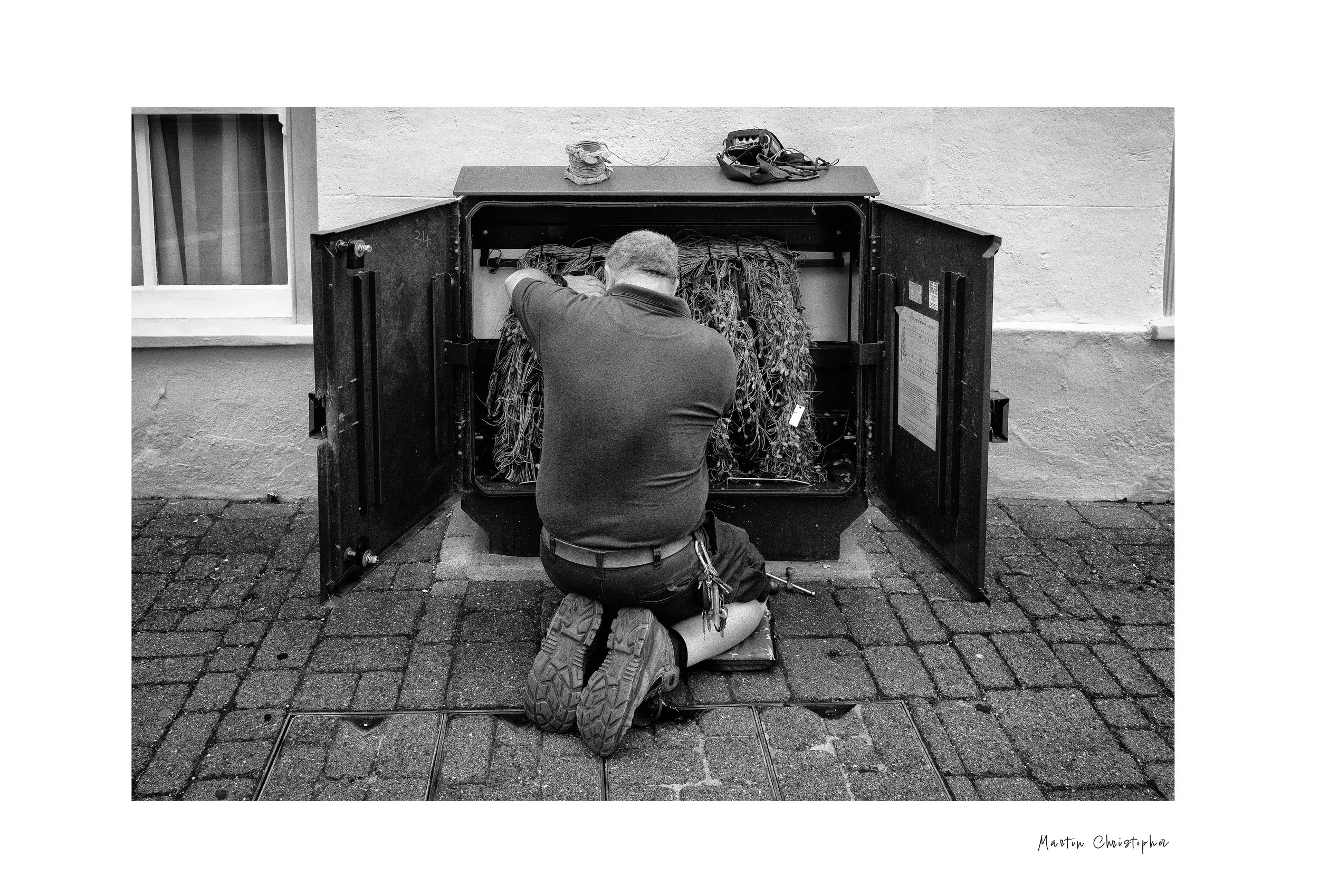
This man was elbows deep in wires . How he knew which wires were which is beyond me , there didn’t seem to be much colour coding. Hence the image being in black and white rather than colour a simple one.
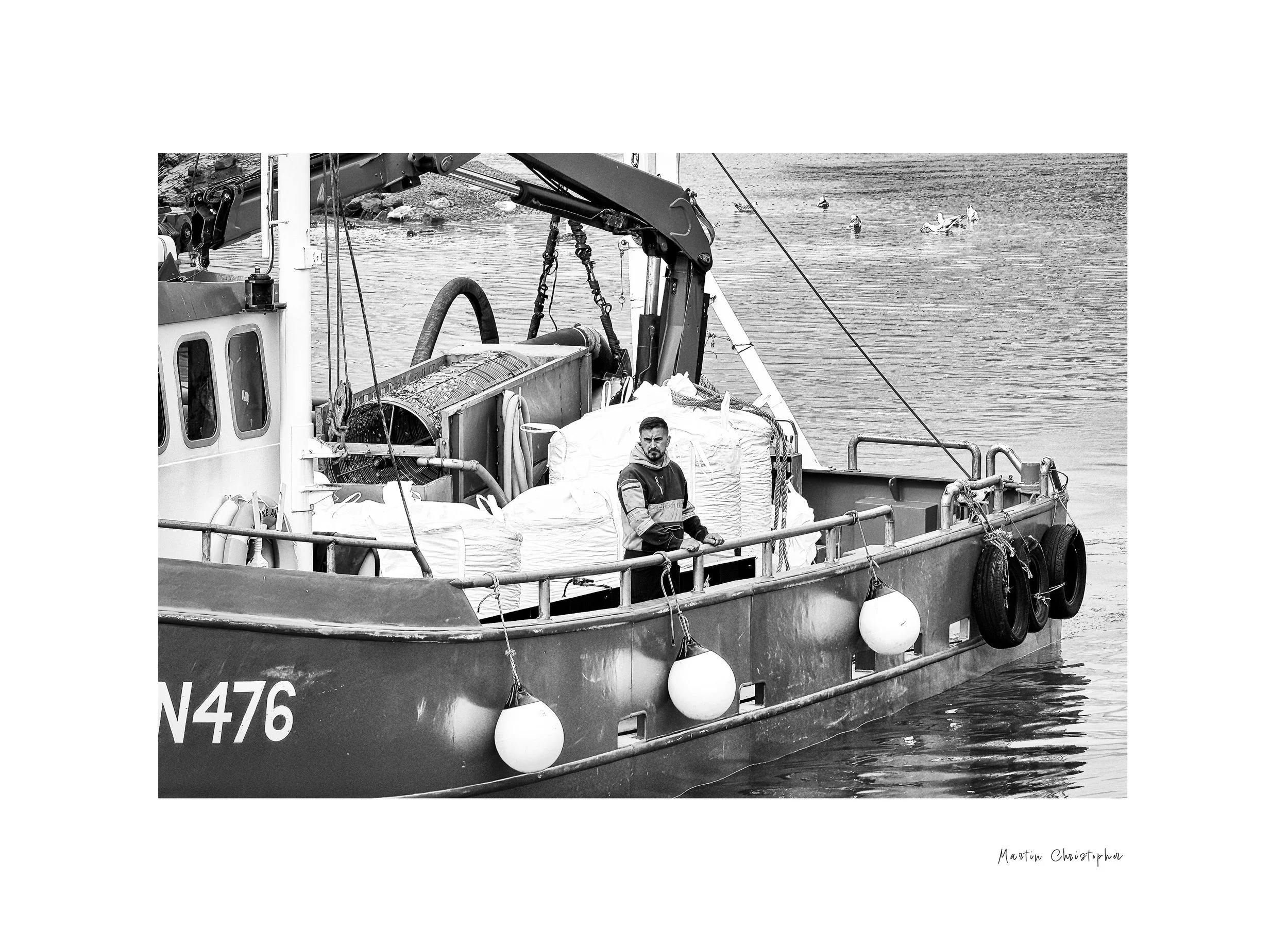
People who fish the seas are still amongst the bravest of souls . The sea is a unforgiving mistress and the on top of the physical risks the work is hard and the hours are long. As the fishing returned to dock their catch you could see the weariness in each face on the vessel . Tired men doing work which is both honest and valuable.
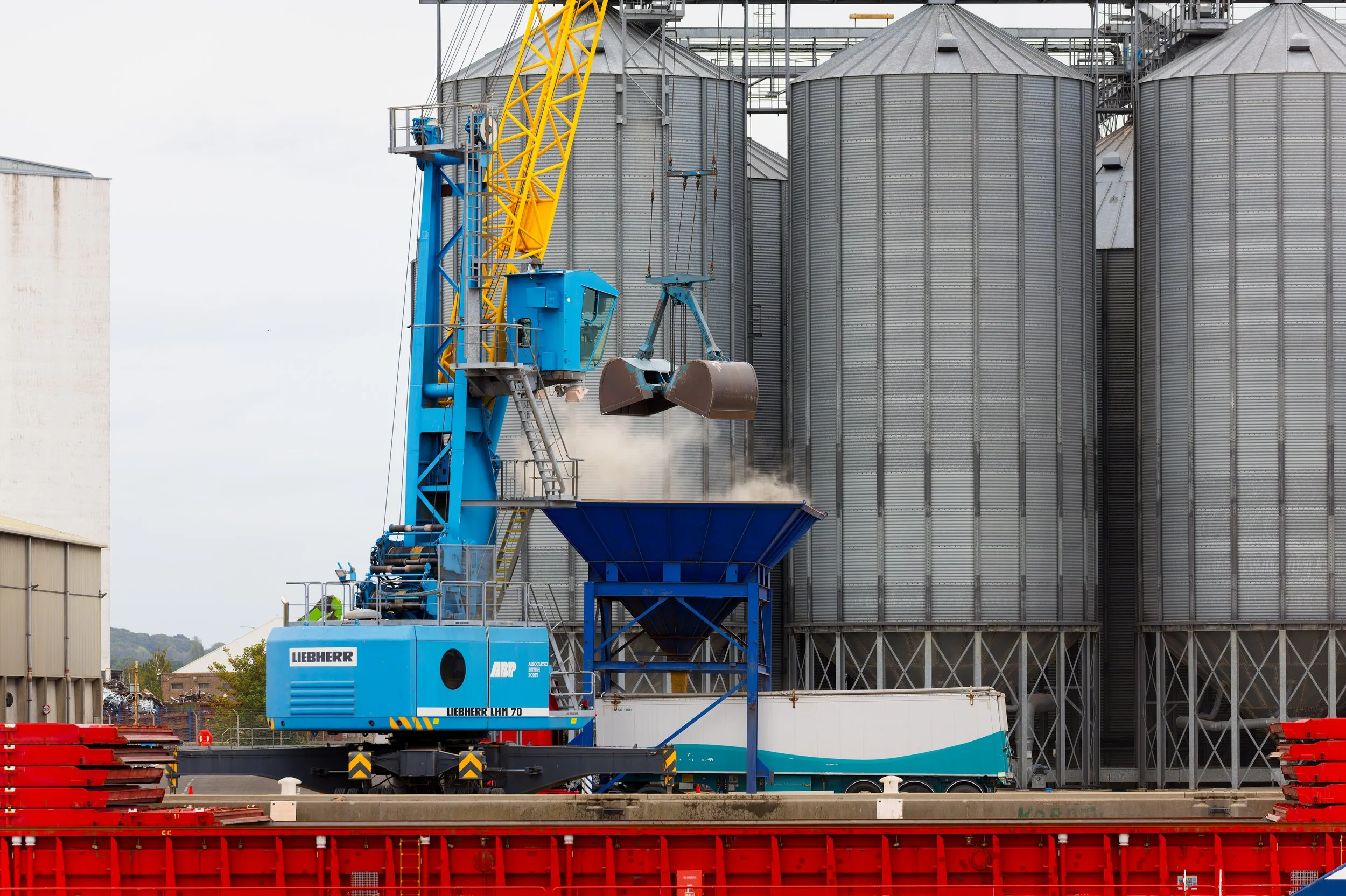
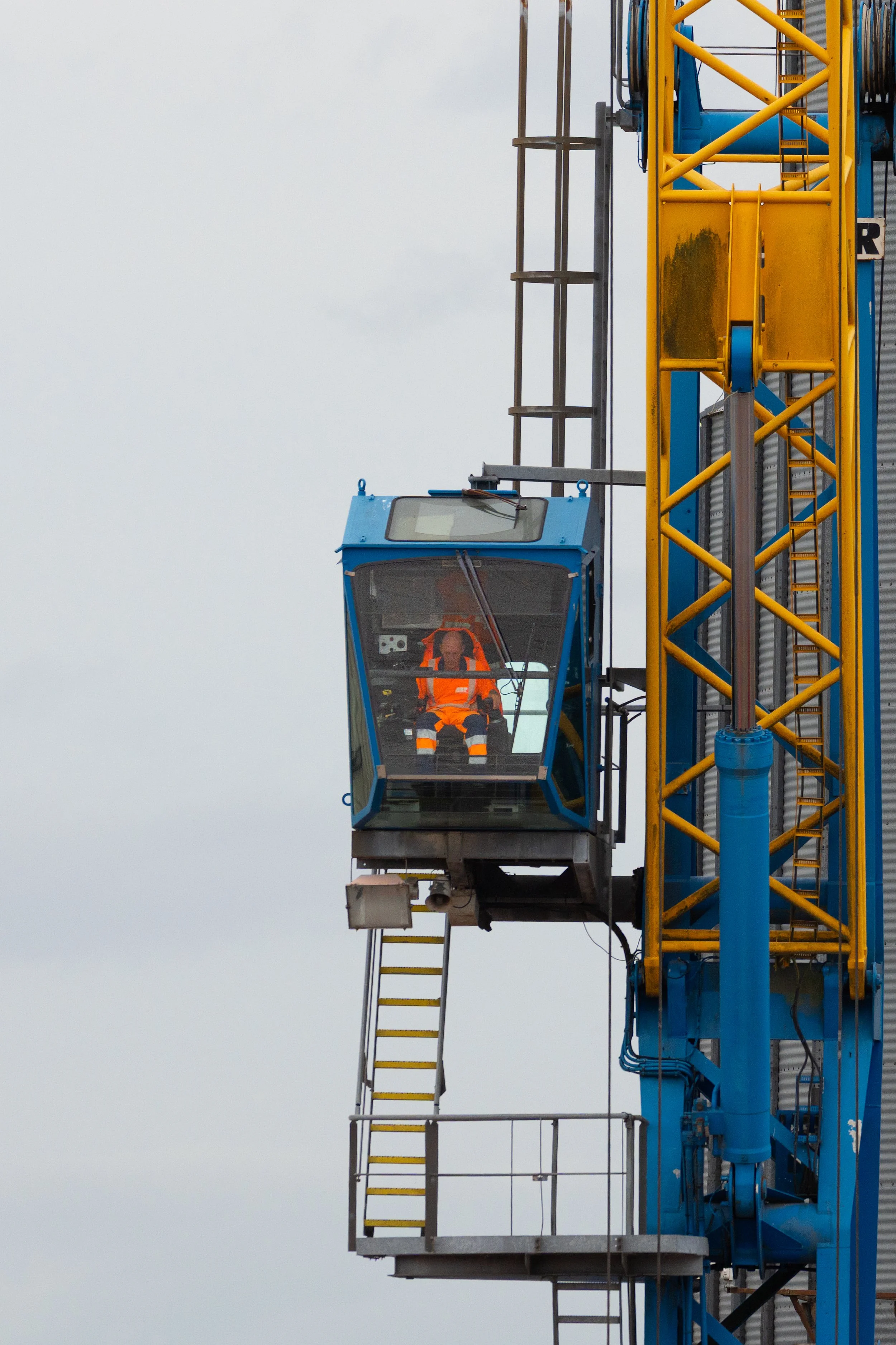
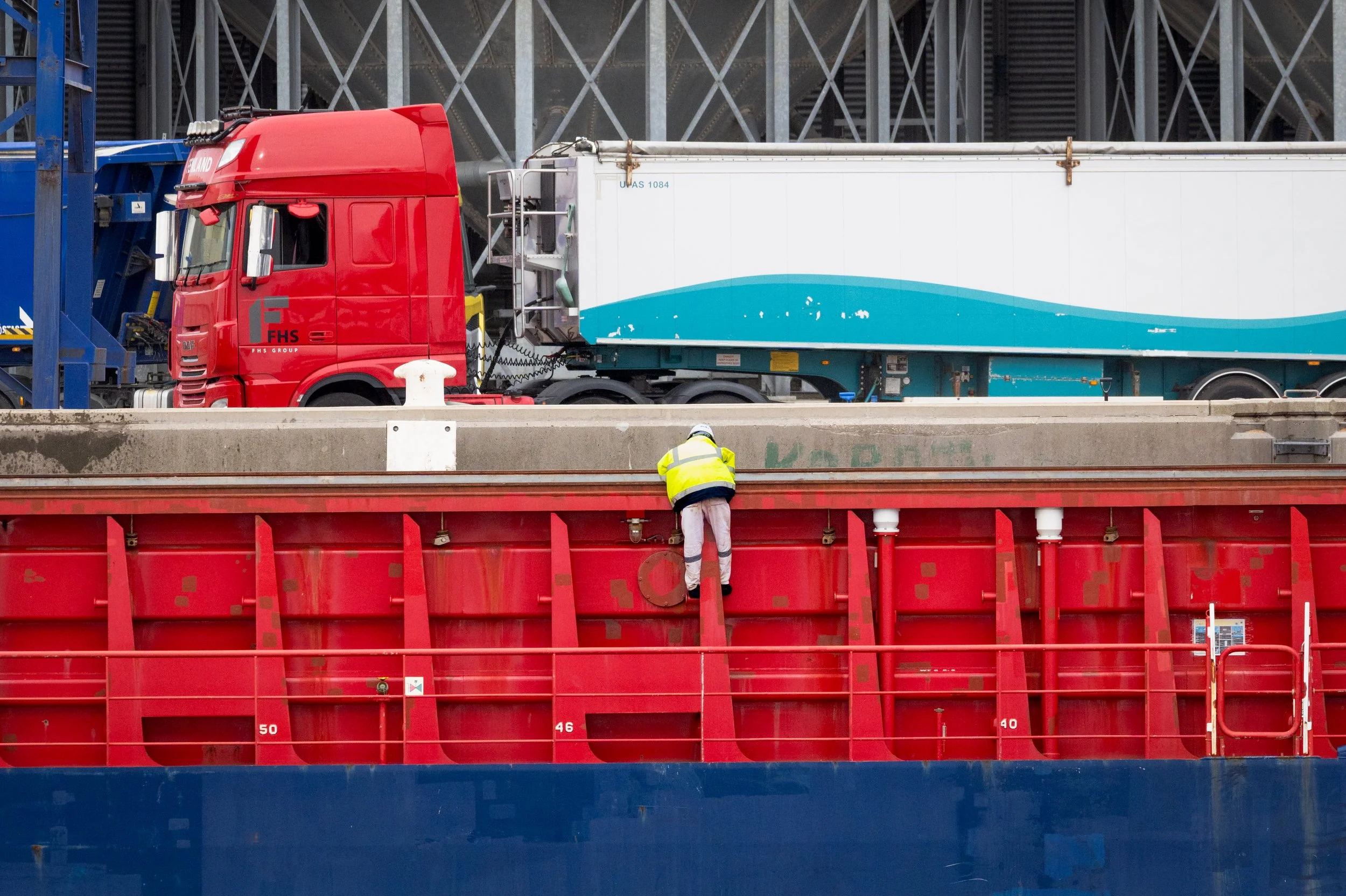
Despite the cranes, the trucks and the all the hardware , men are still be to seen working in this environment. These images were taken at the Kings Lynn Docks where men were unloading a boat , from a Danish Company which was Portuguese flagged.