
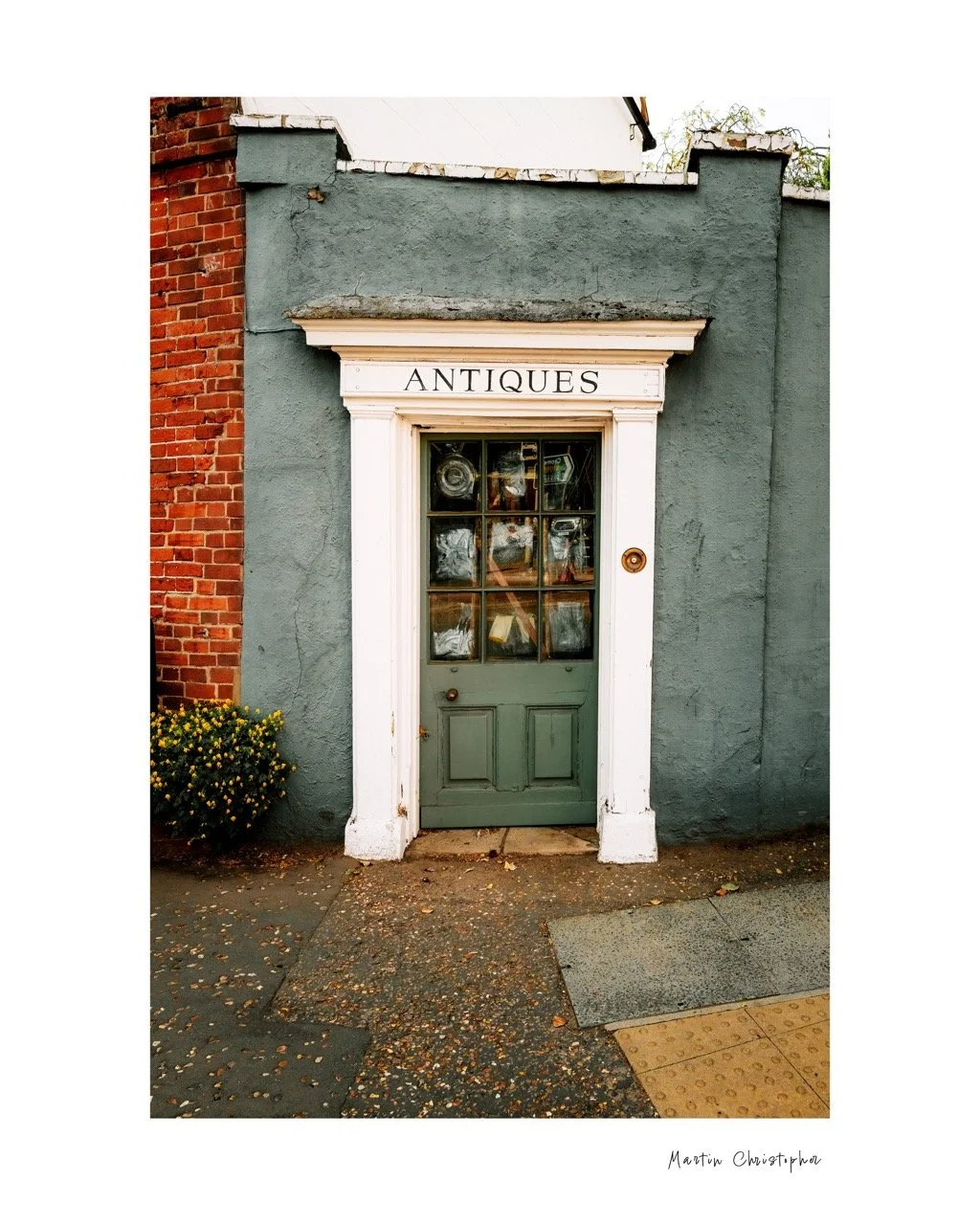
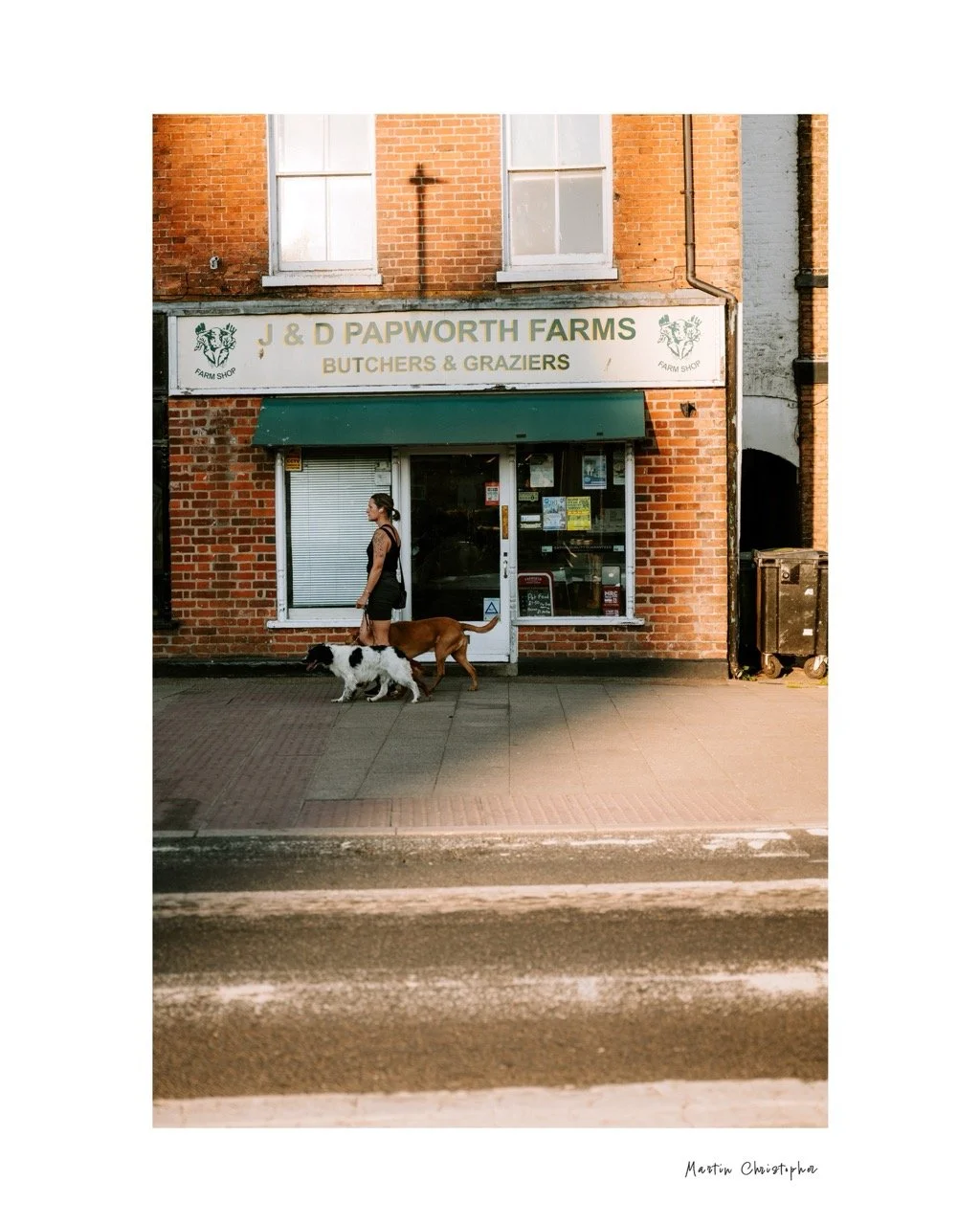
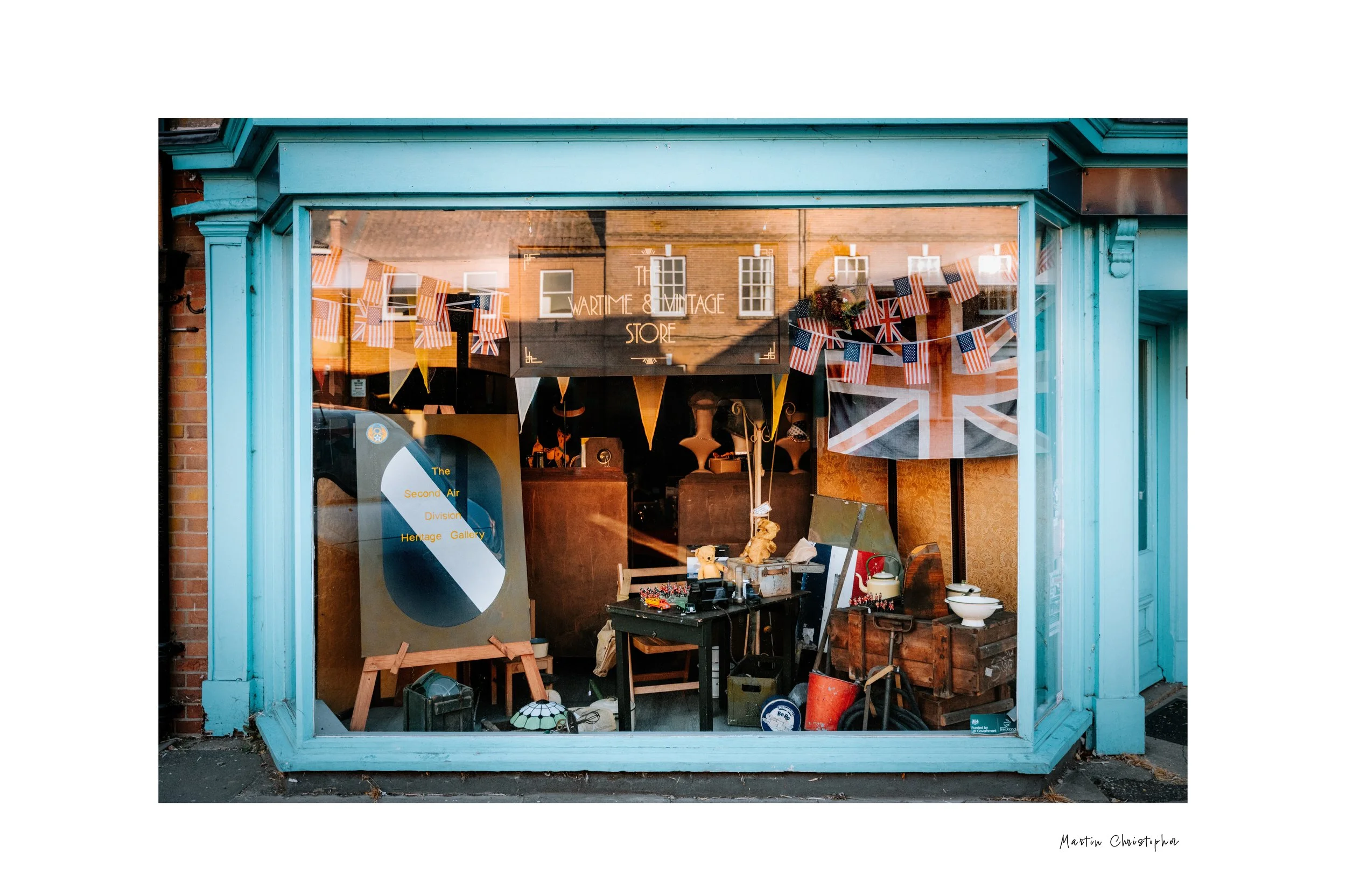
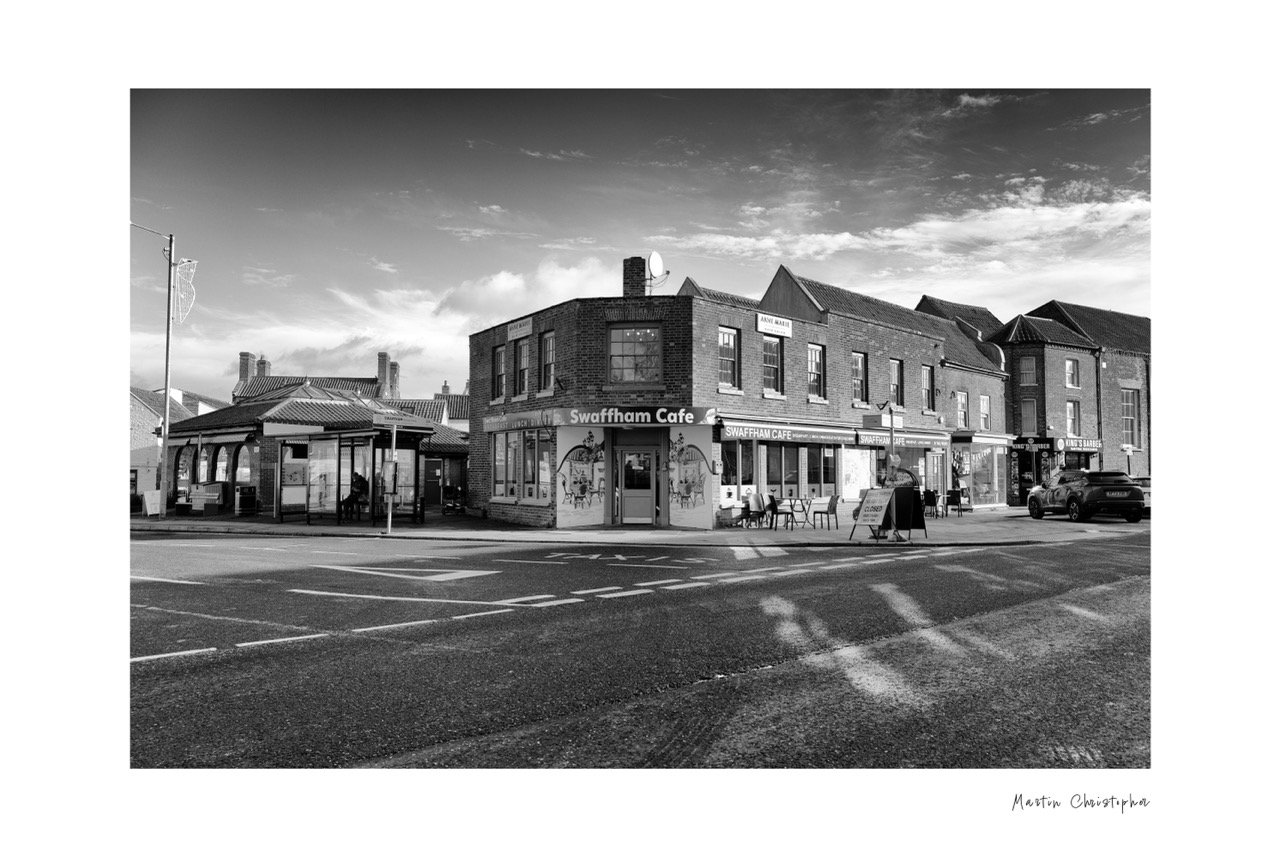
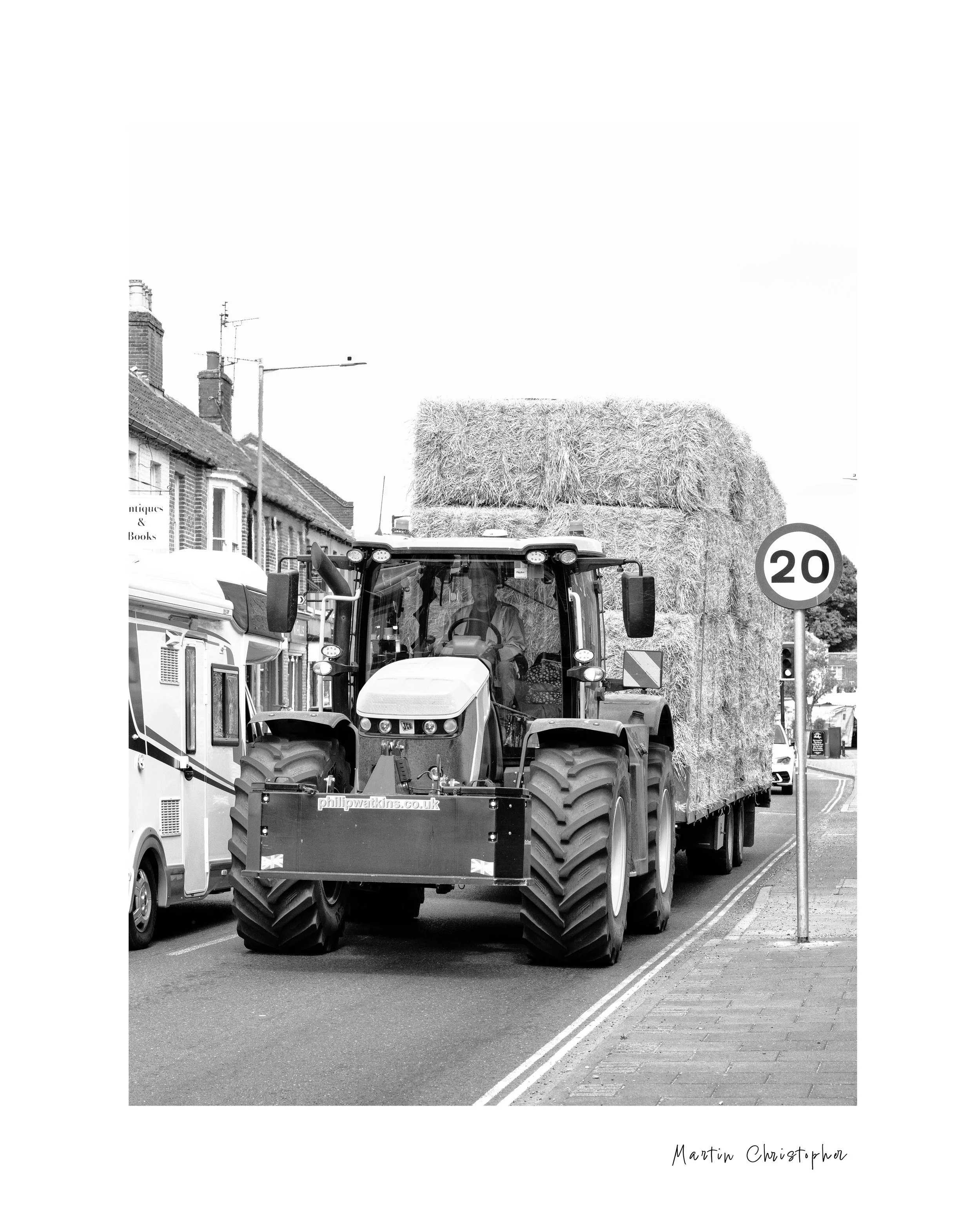
Swaffham Norfolk UK. An authentic English Town
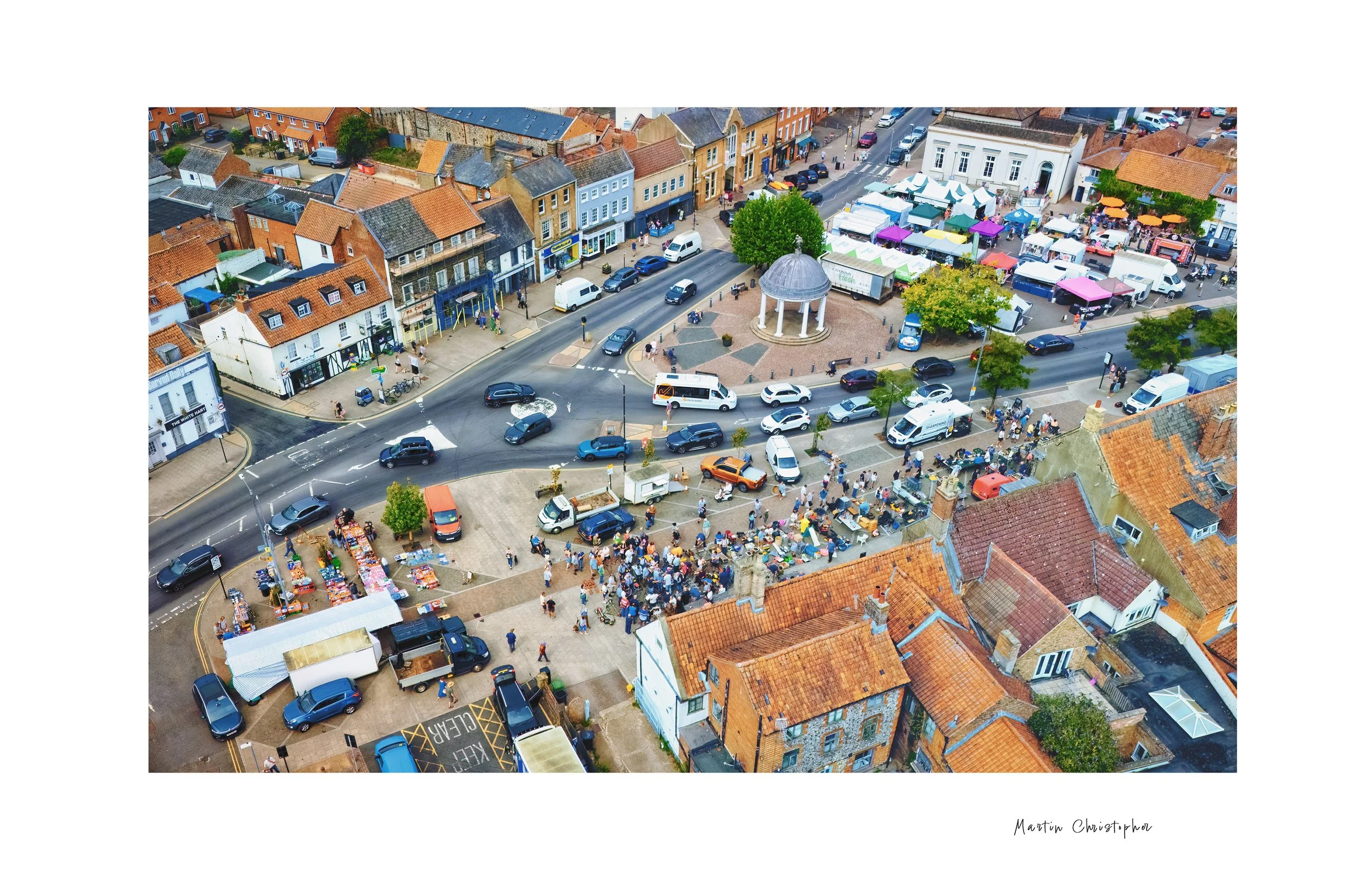
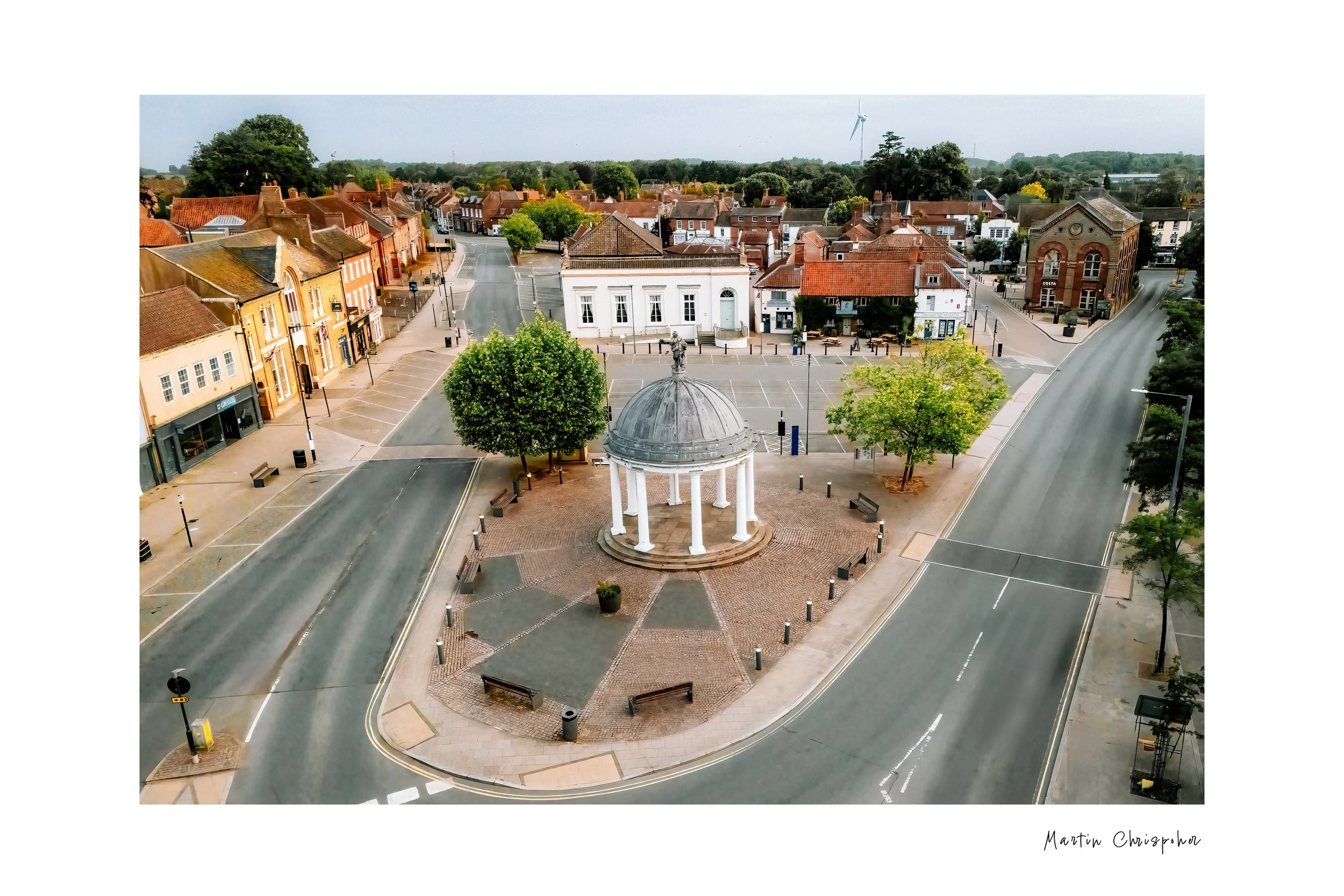
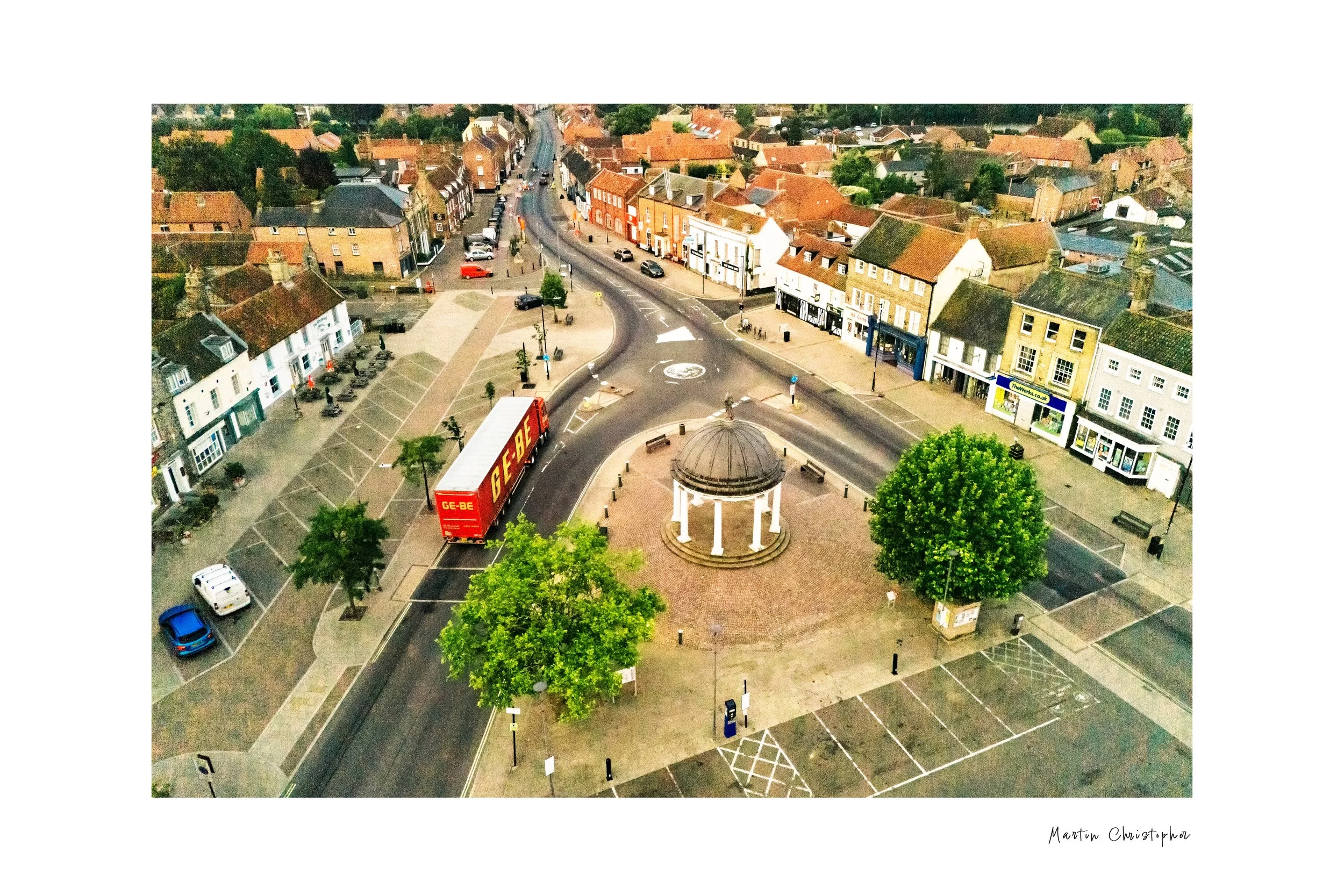
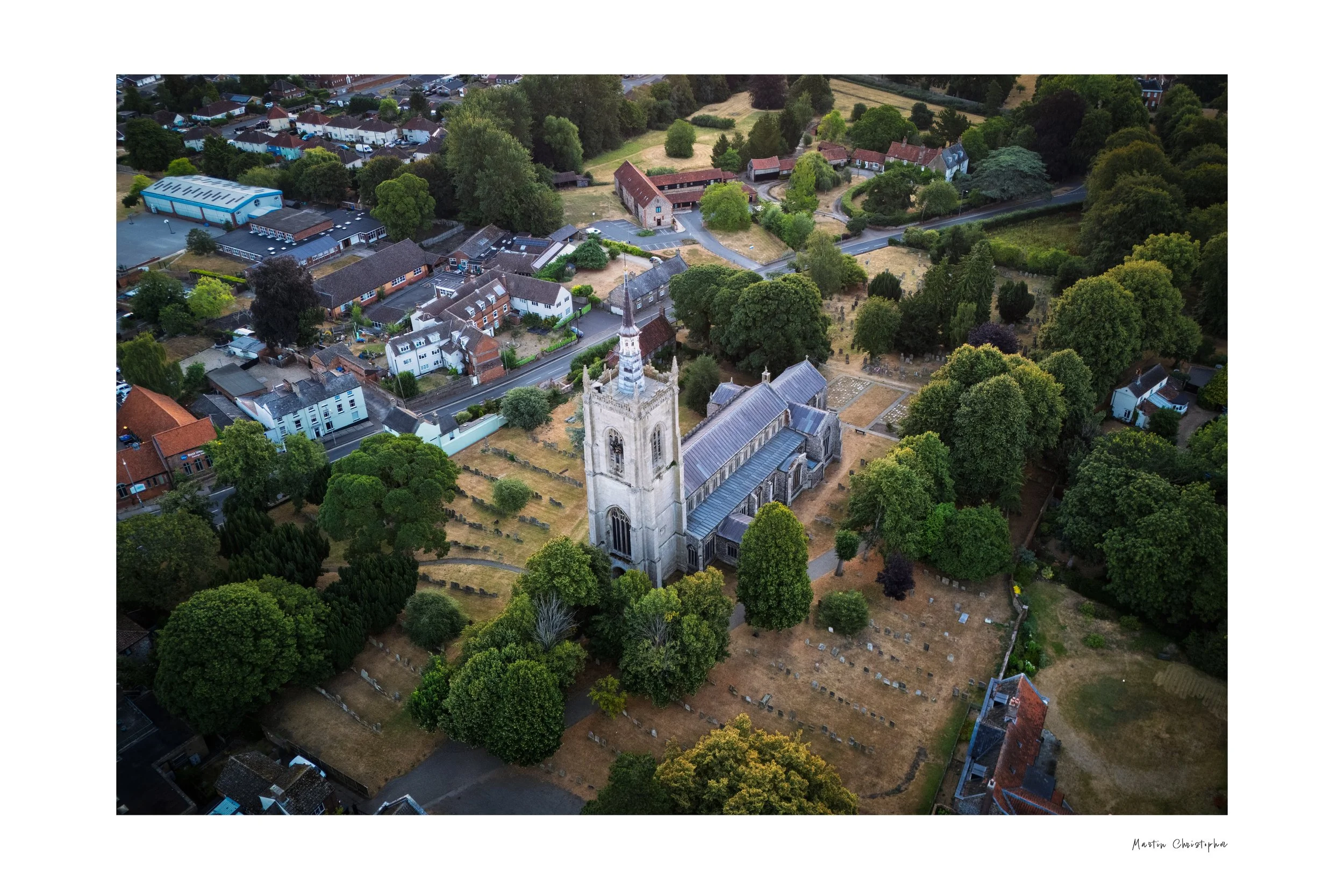
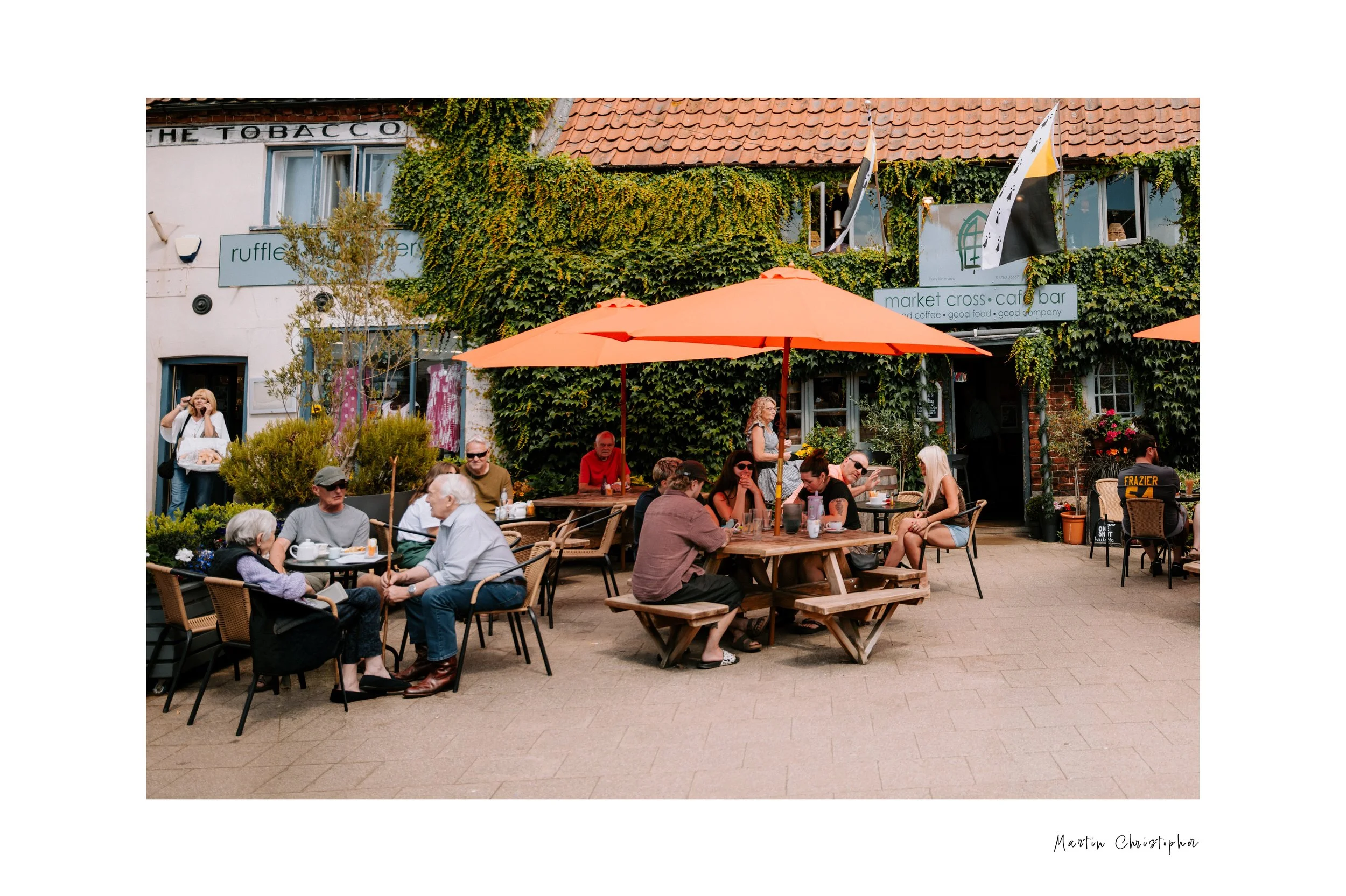
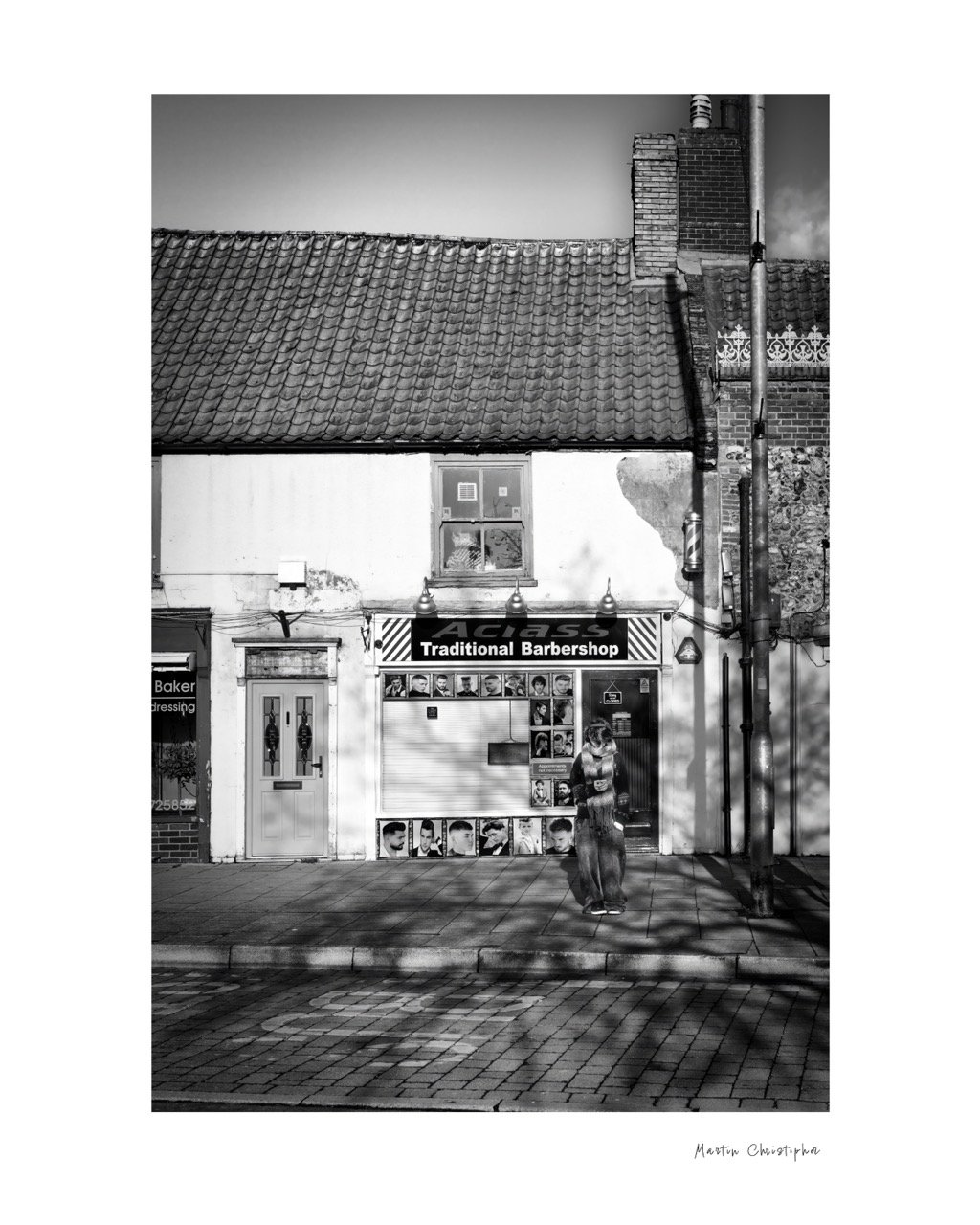
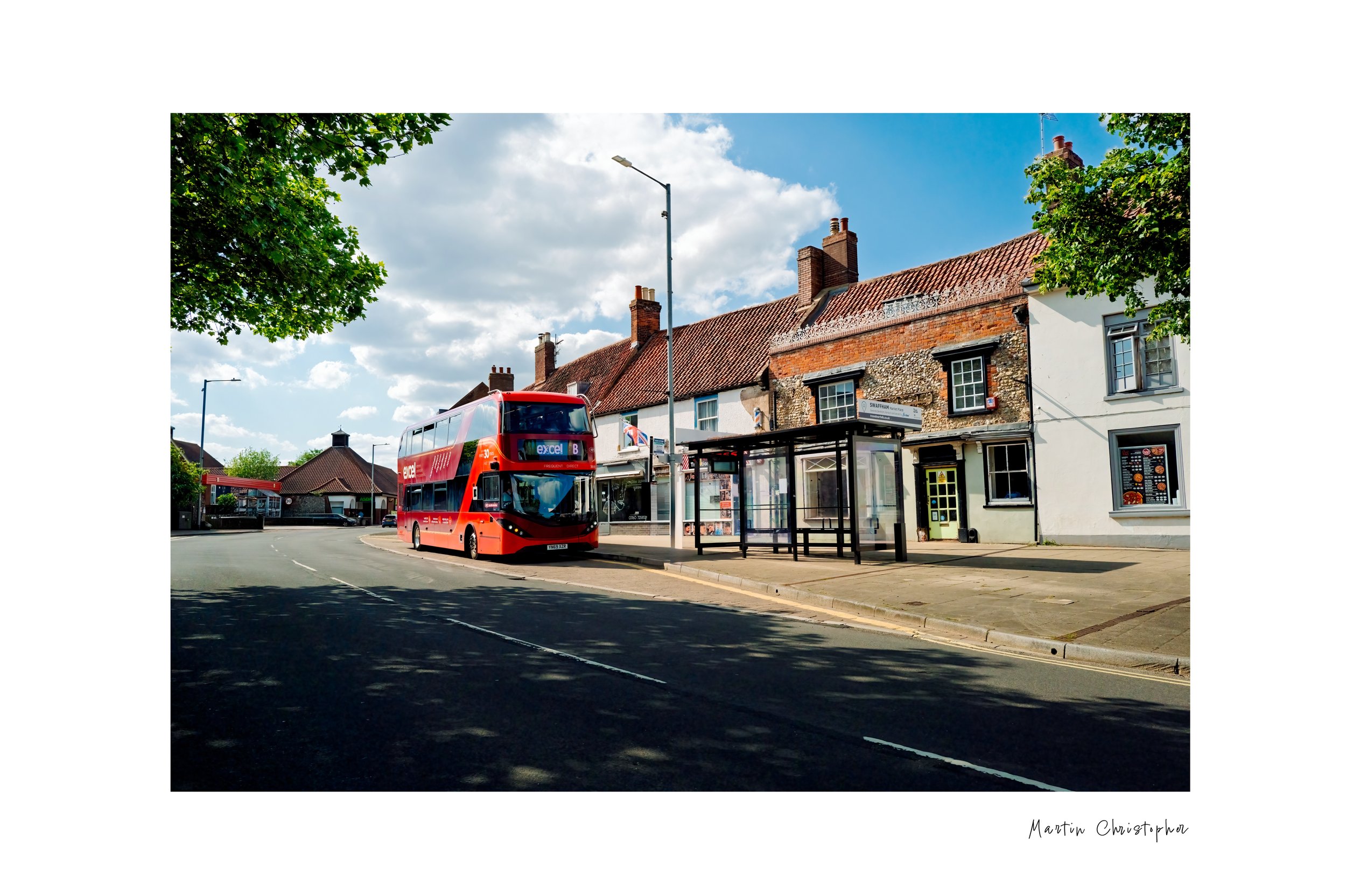
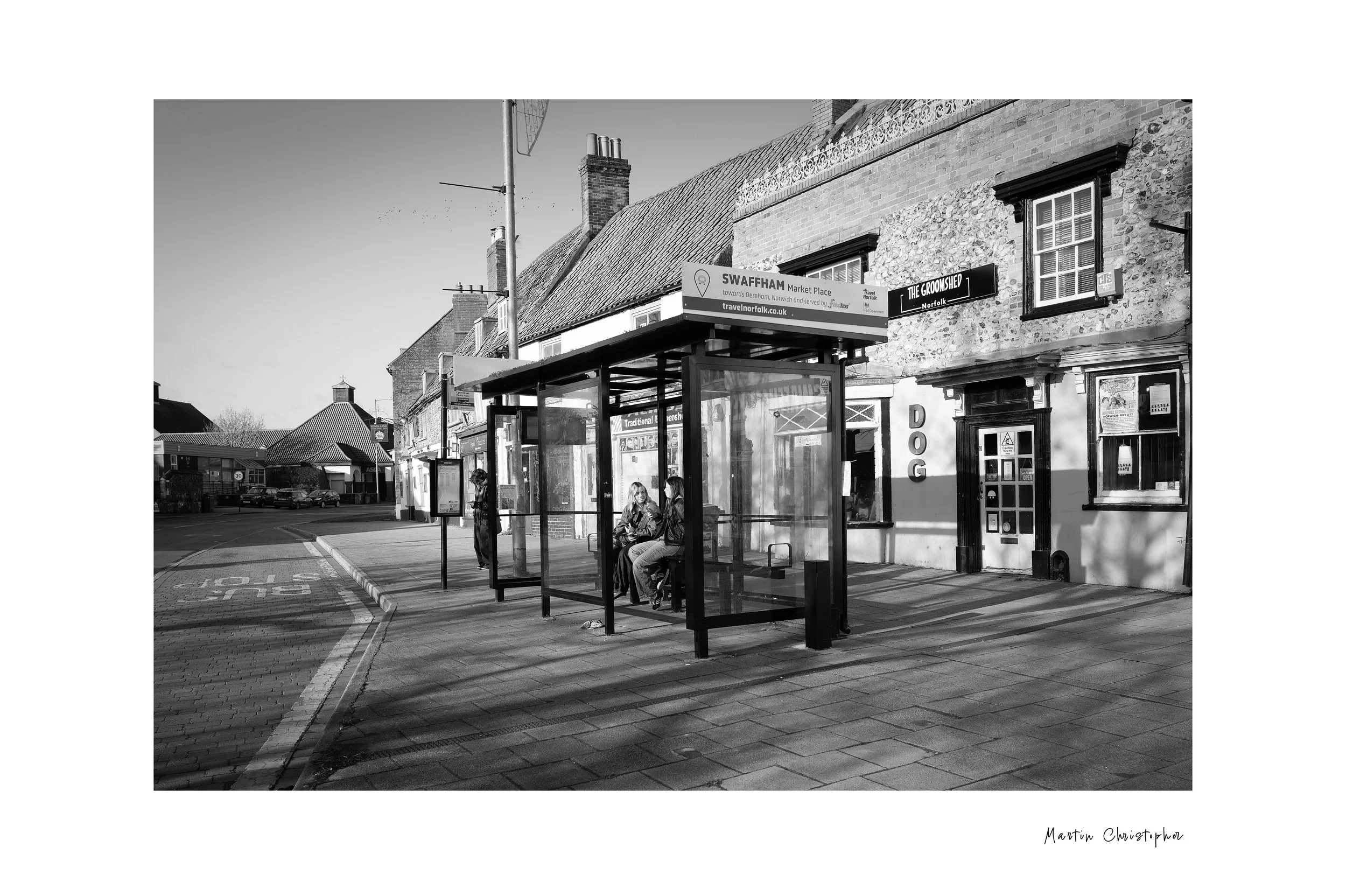




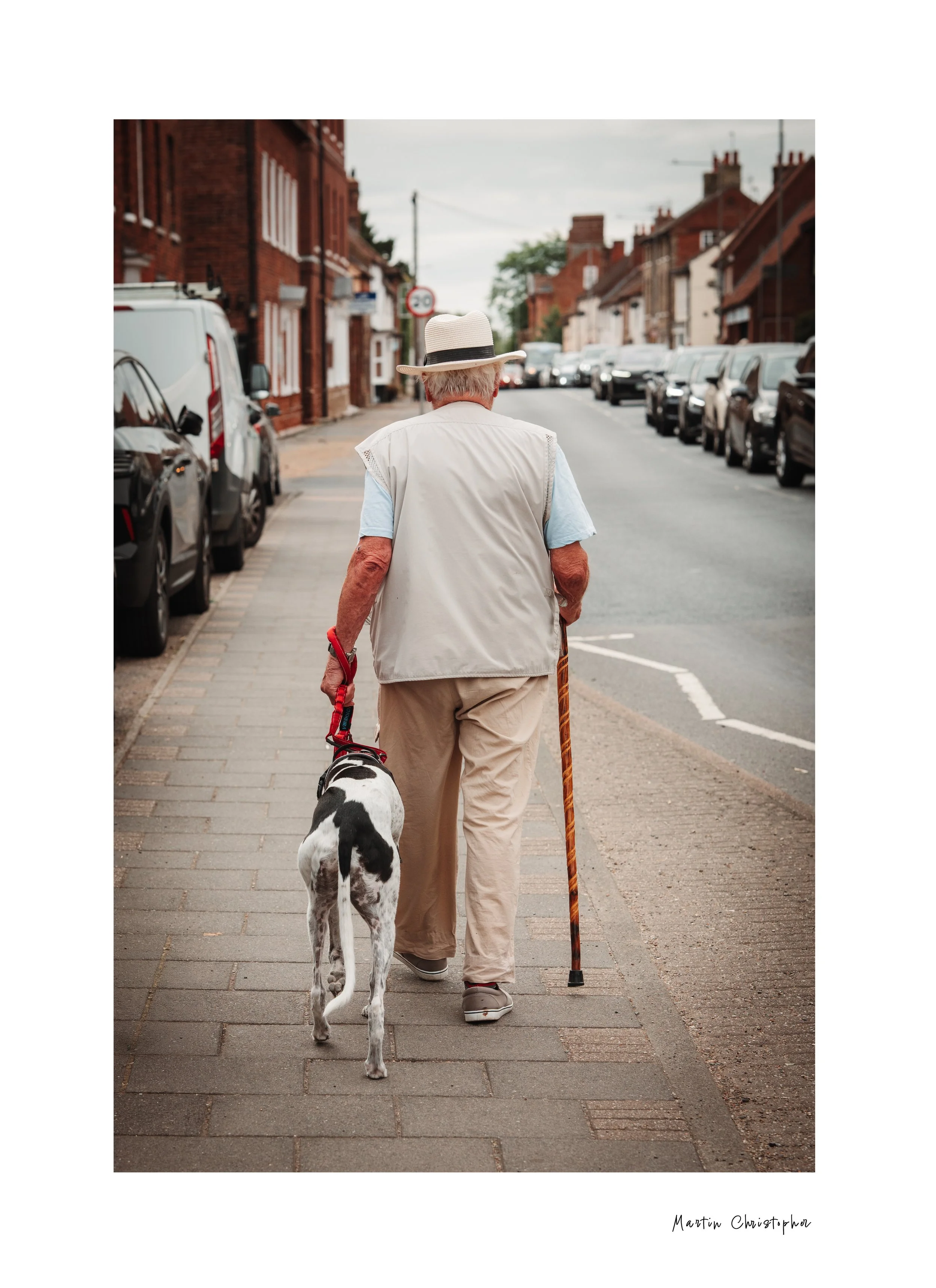
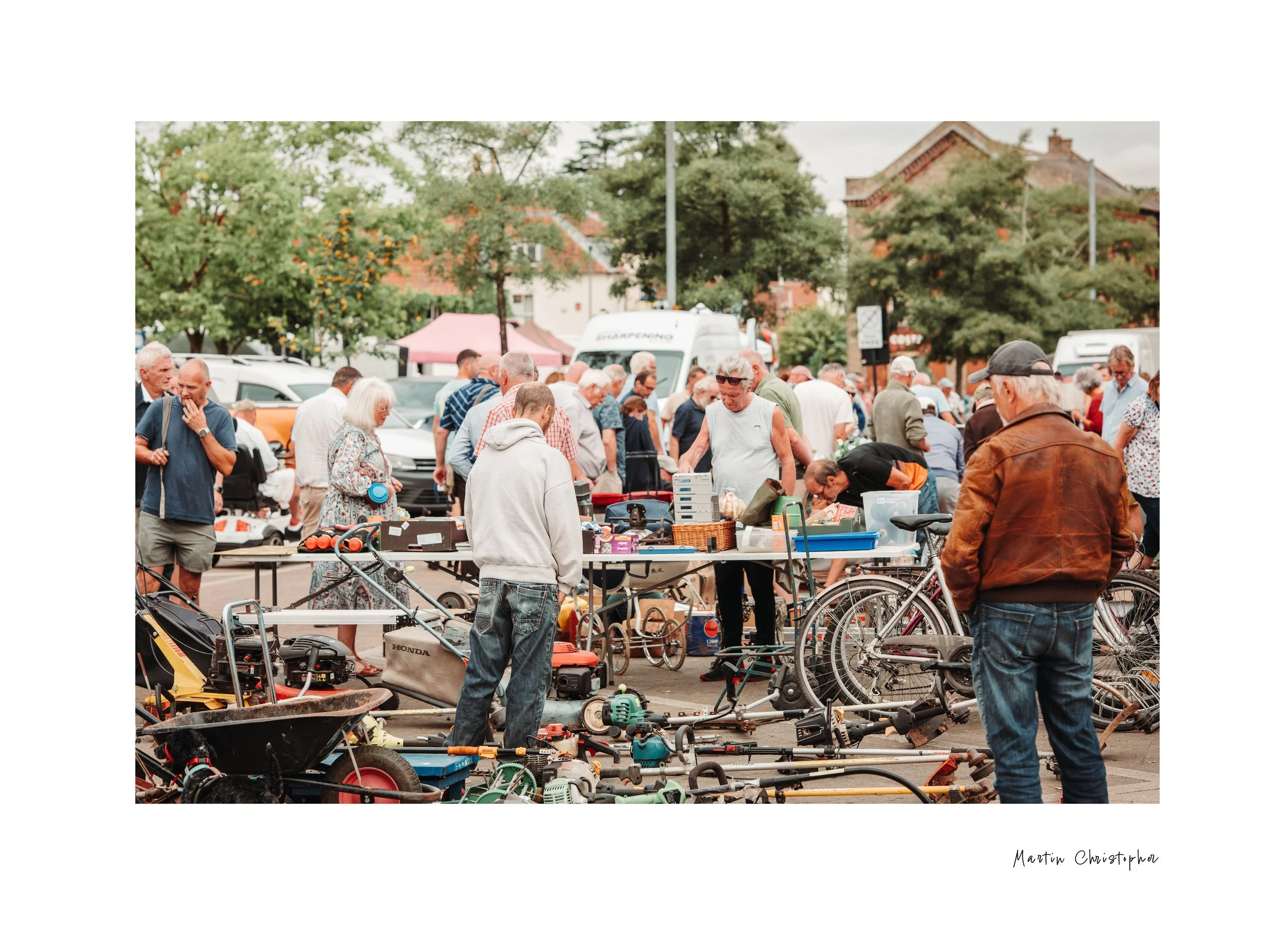
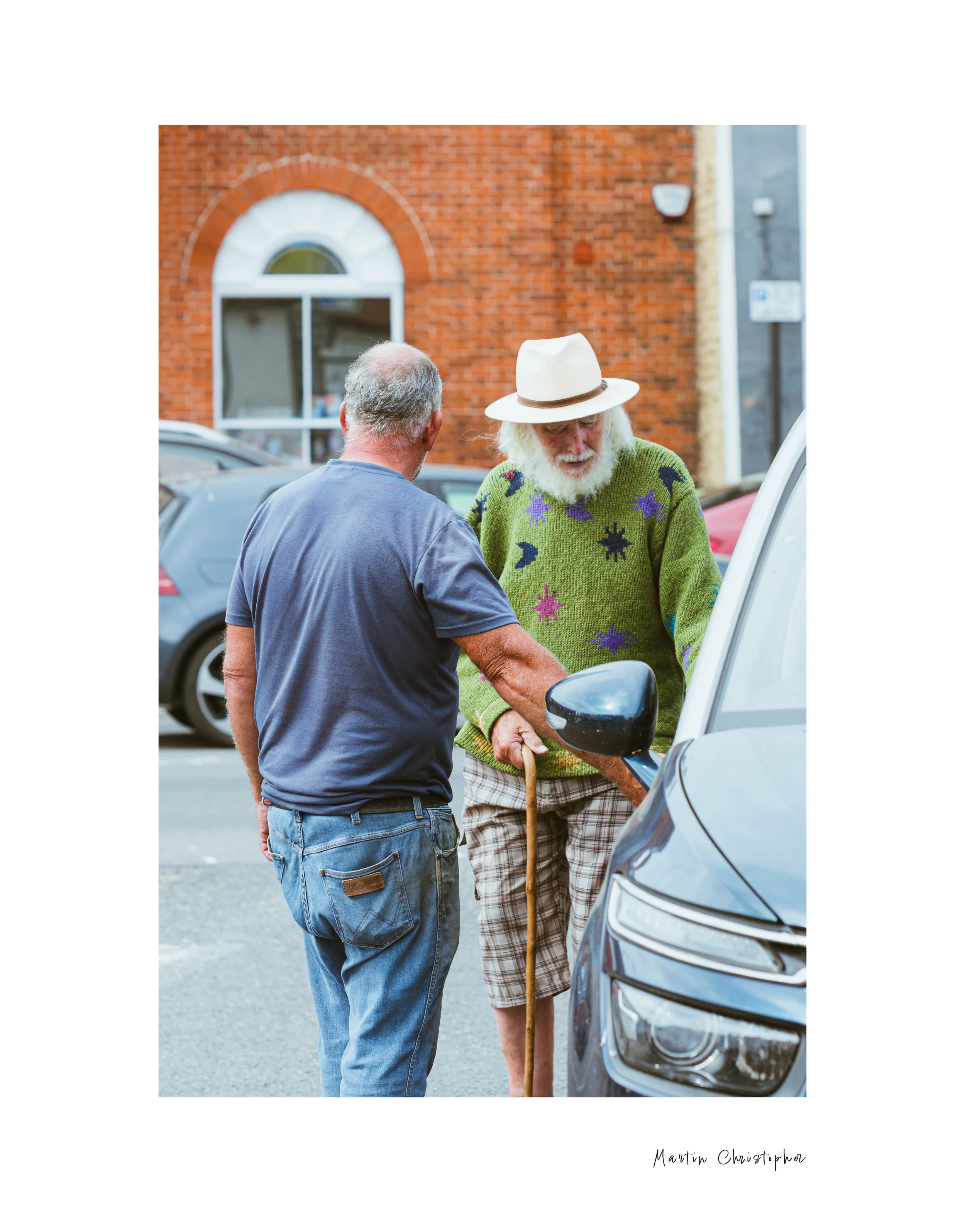
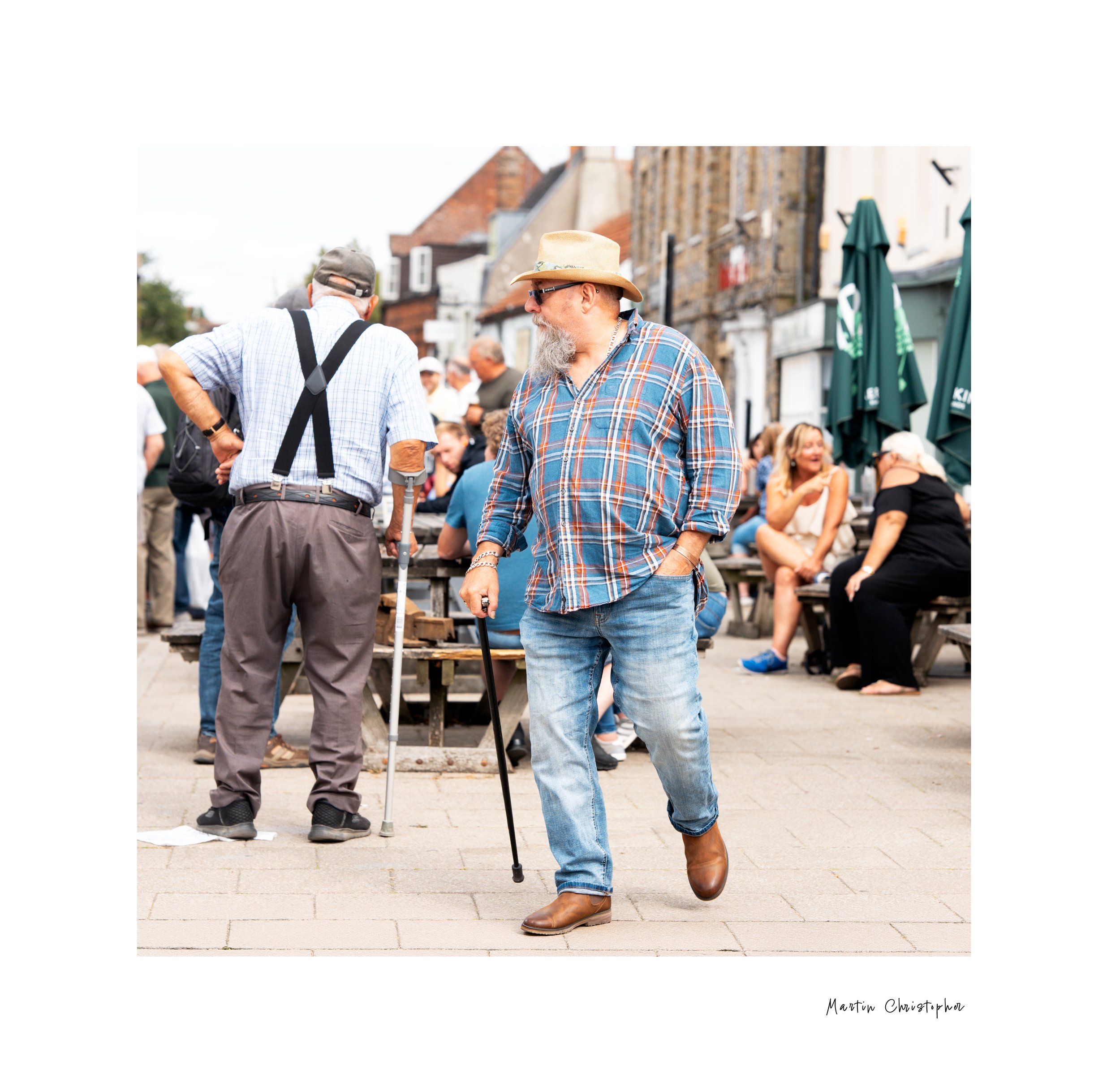
10-point history of Swaffham that covers the key milestones:
Anglo-Saxon origins (5th–11th centuries) – Swaffham was founded as a Saxon settlement. Its name means "the homestead of the Swǣfe people."
1086 – Swaffham appears in the Domesday Book, already an important Norfolk settlement.
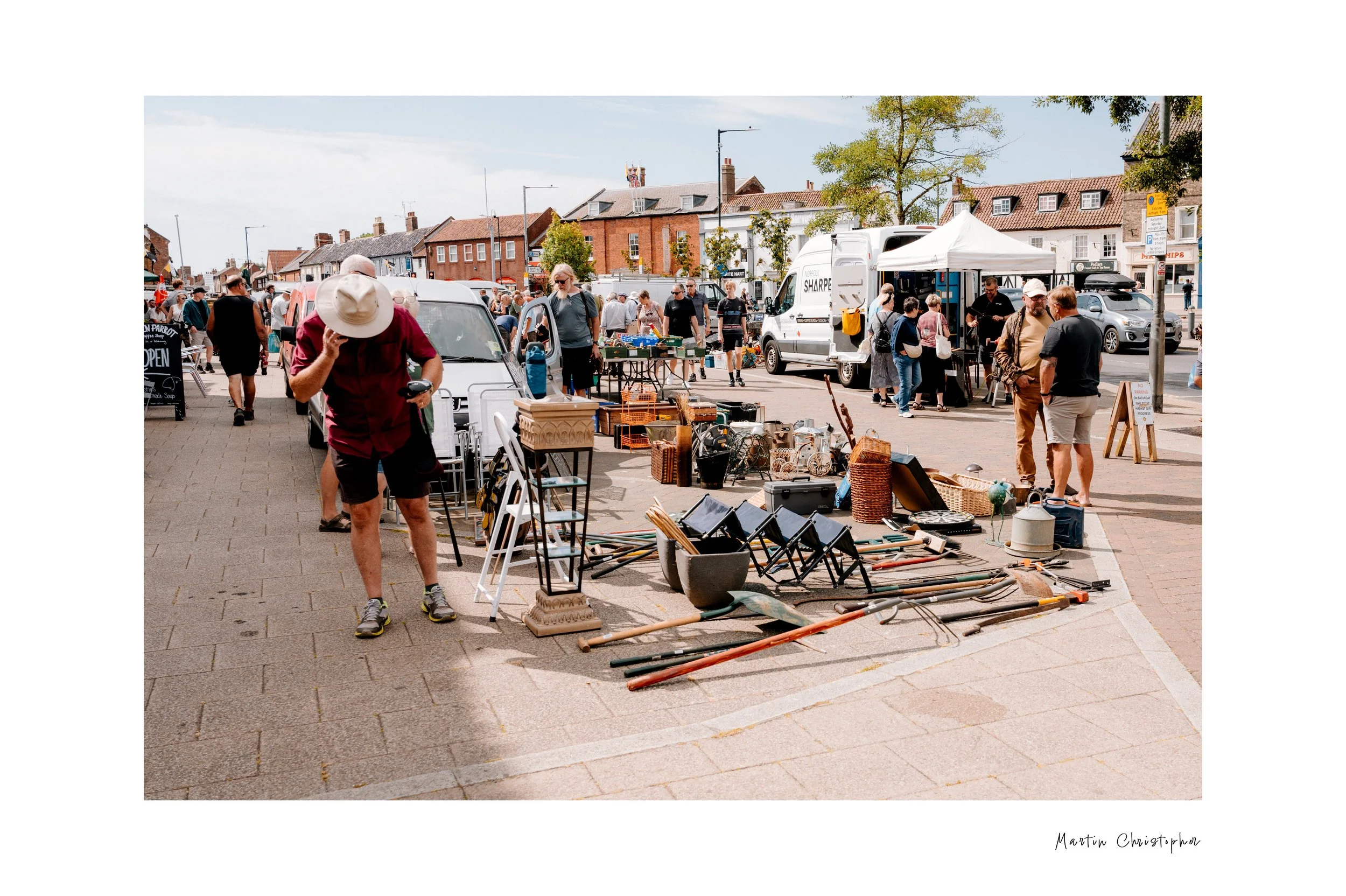
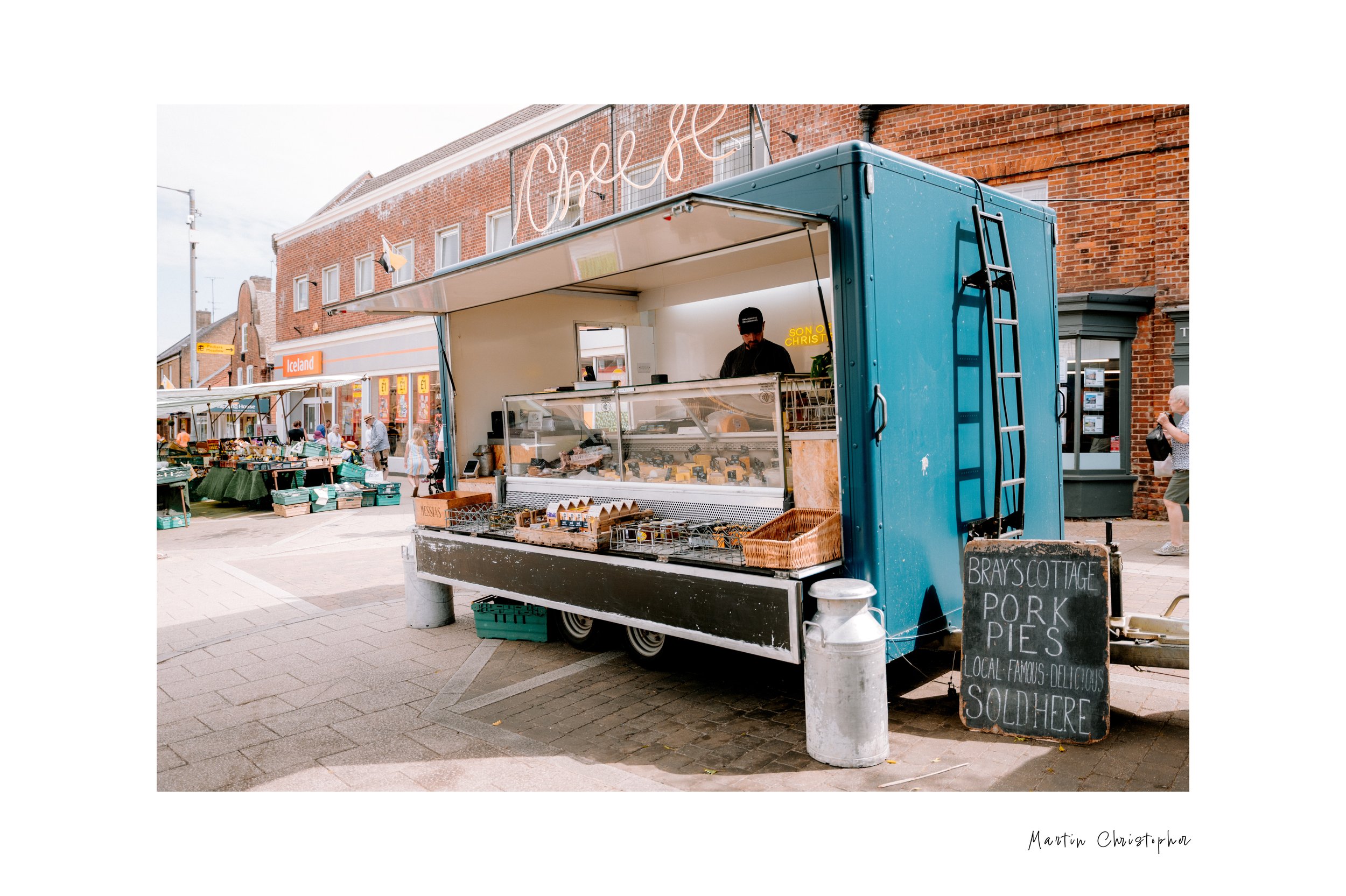
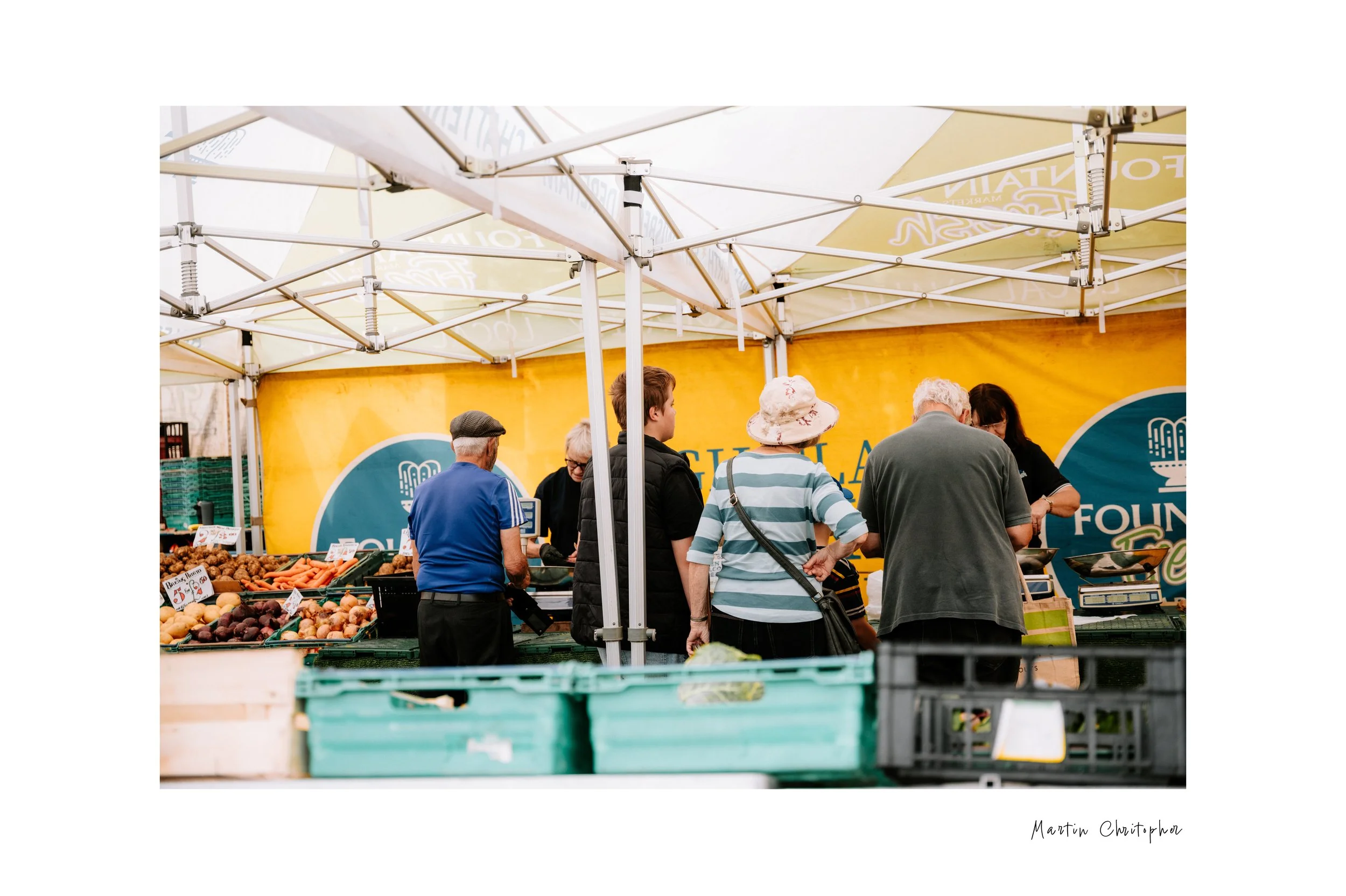
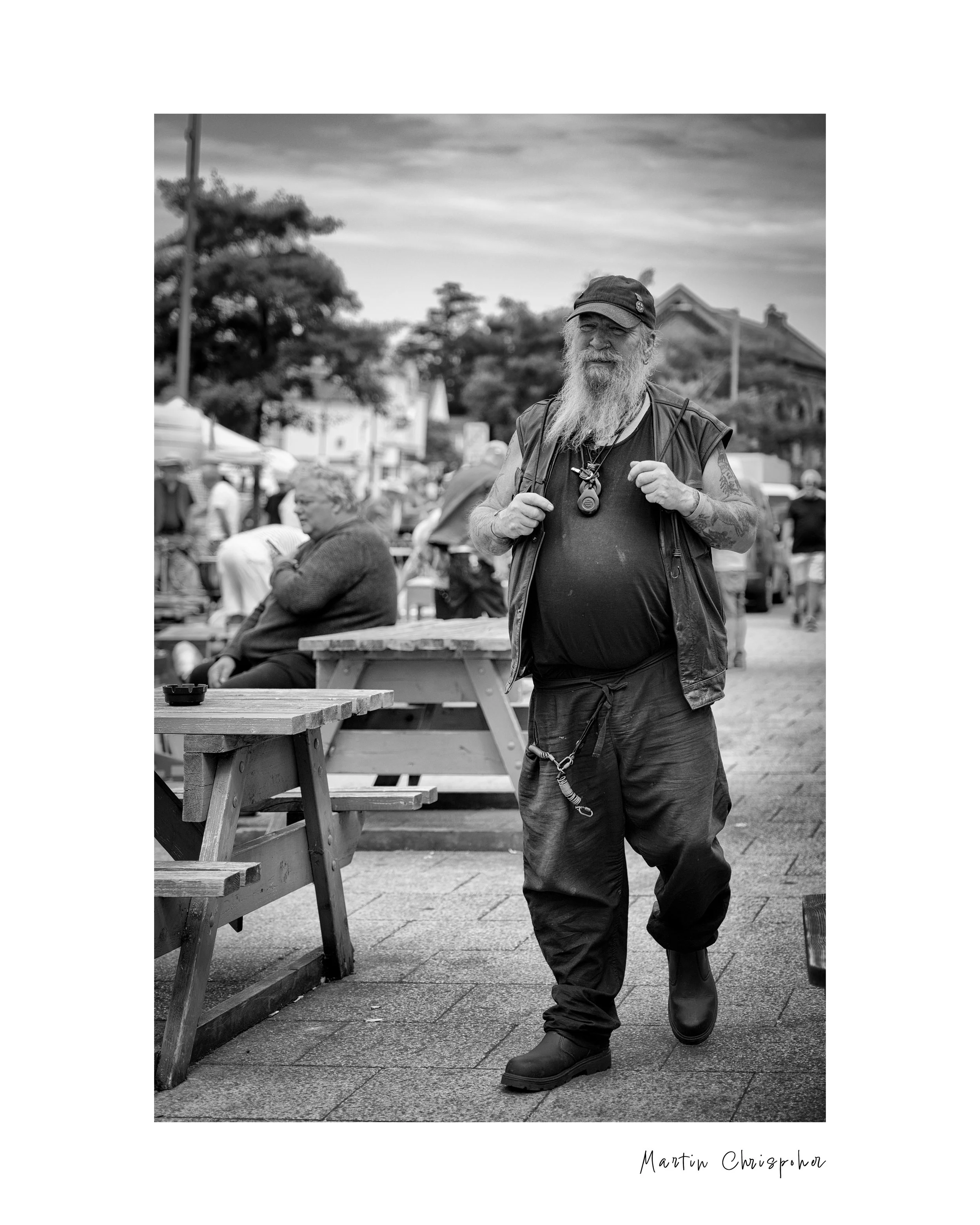
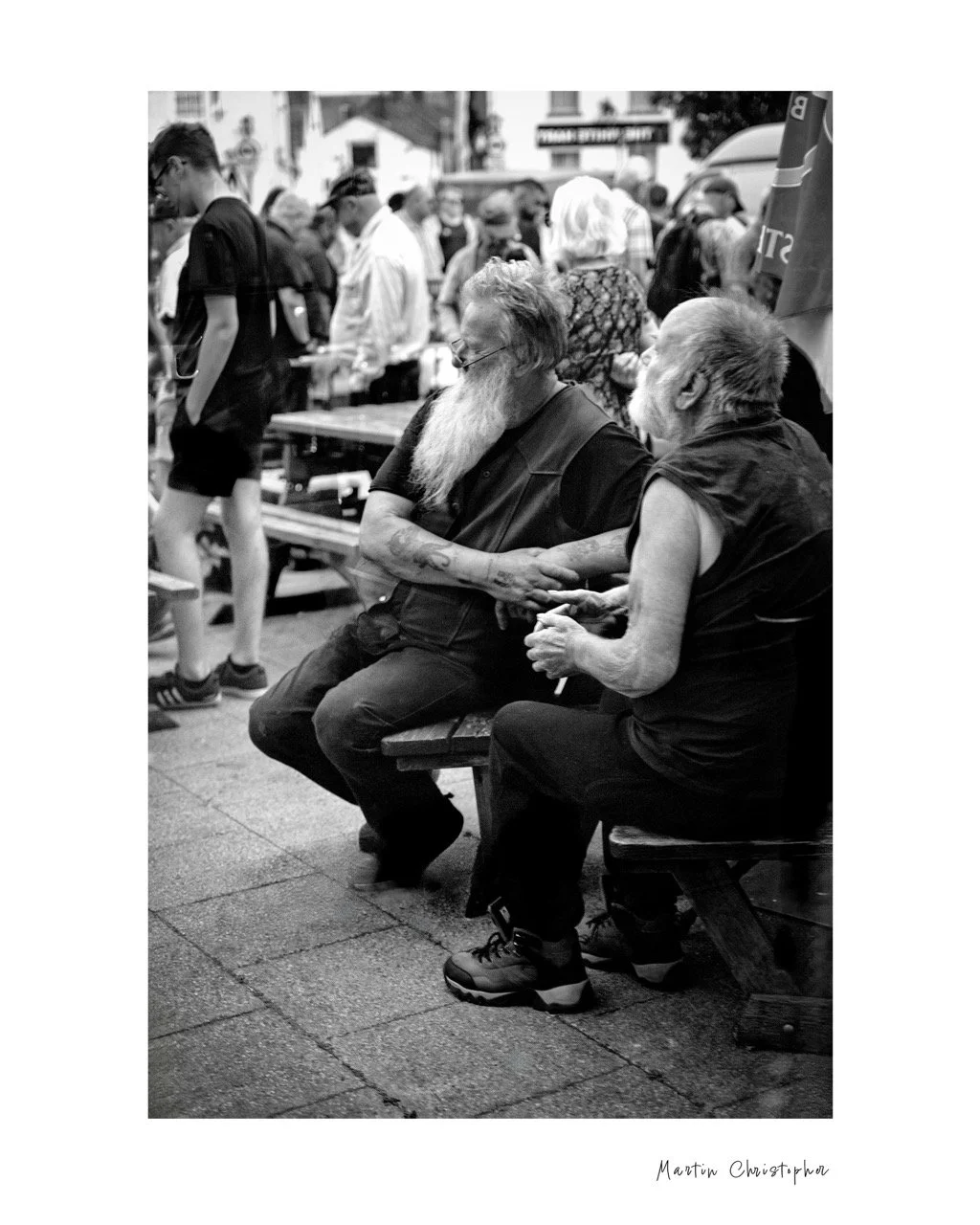
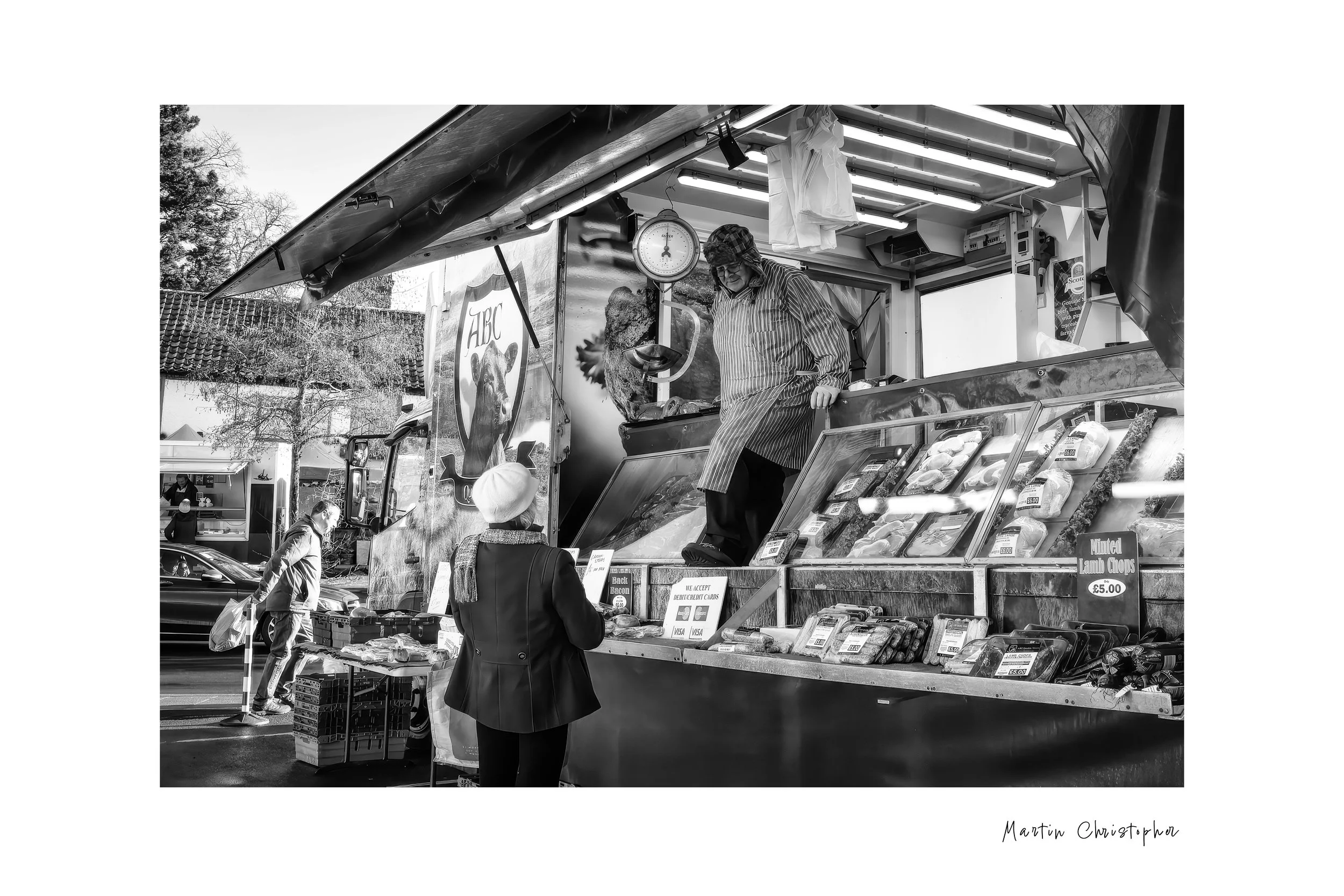
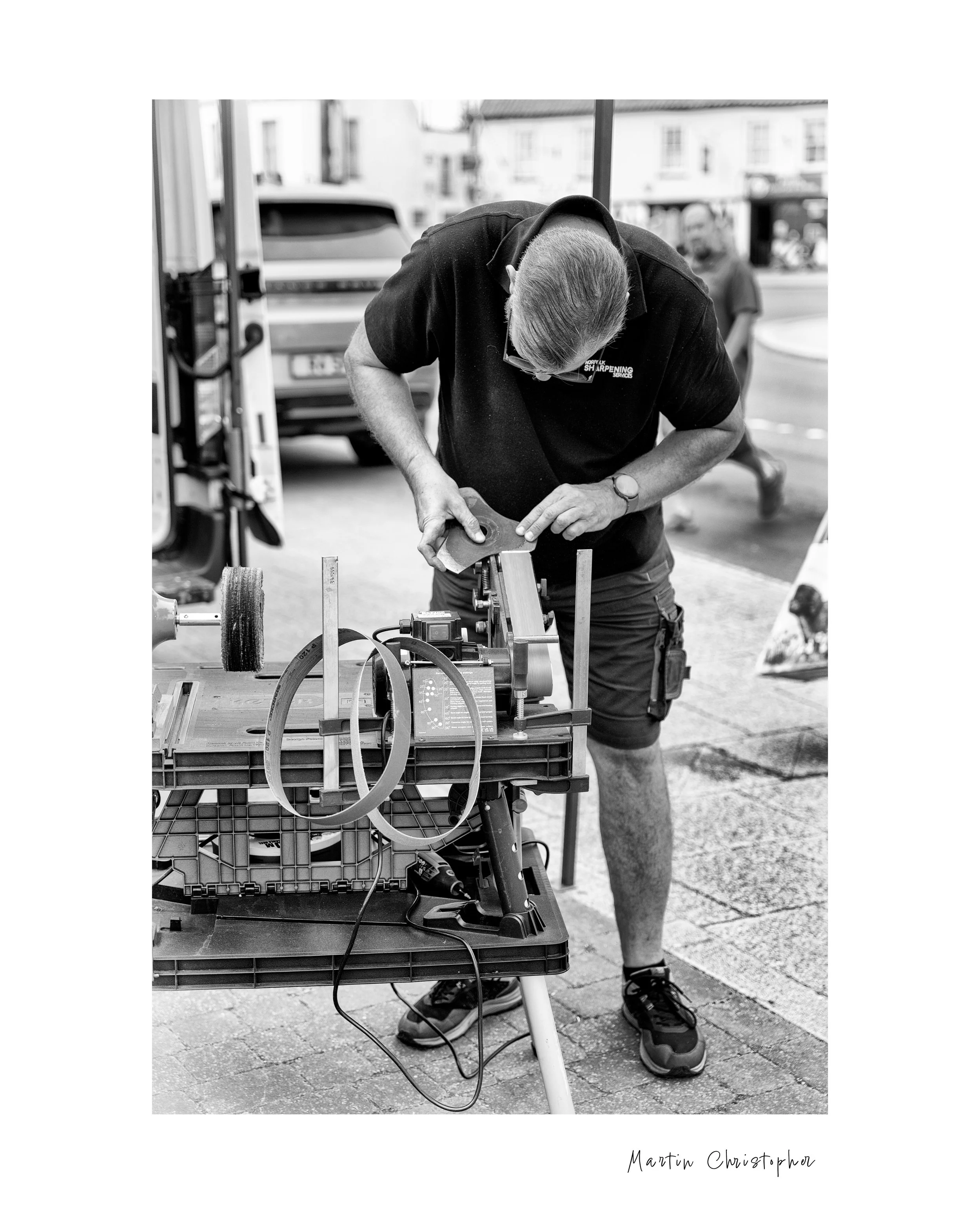
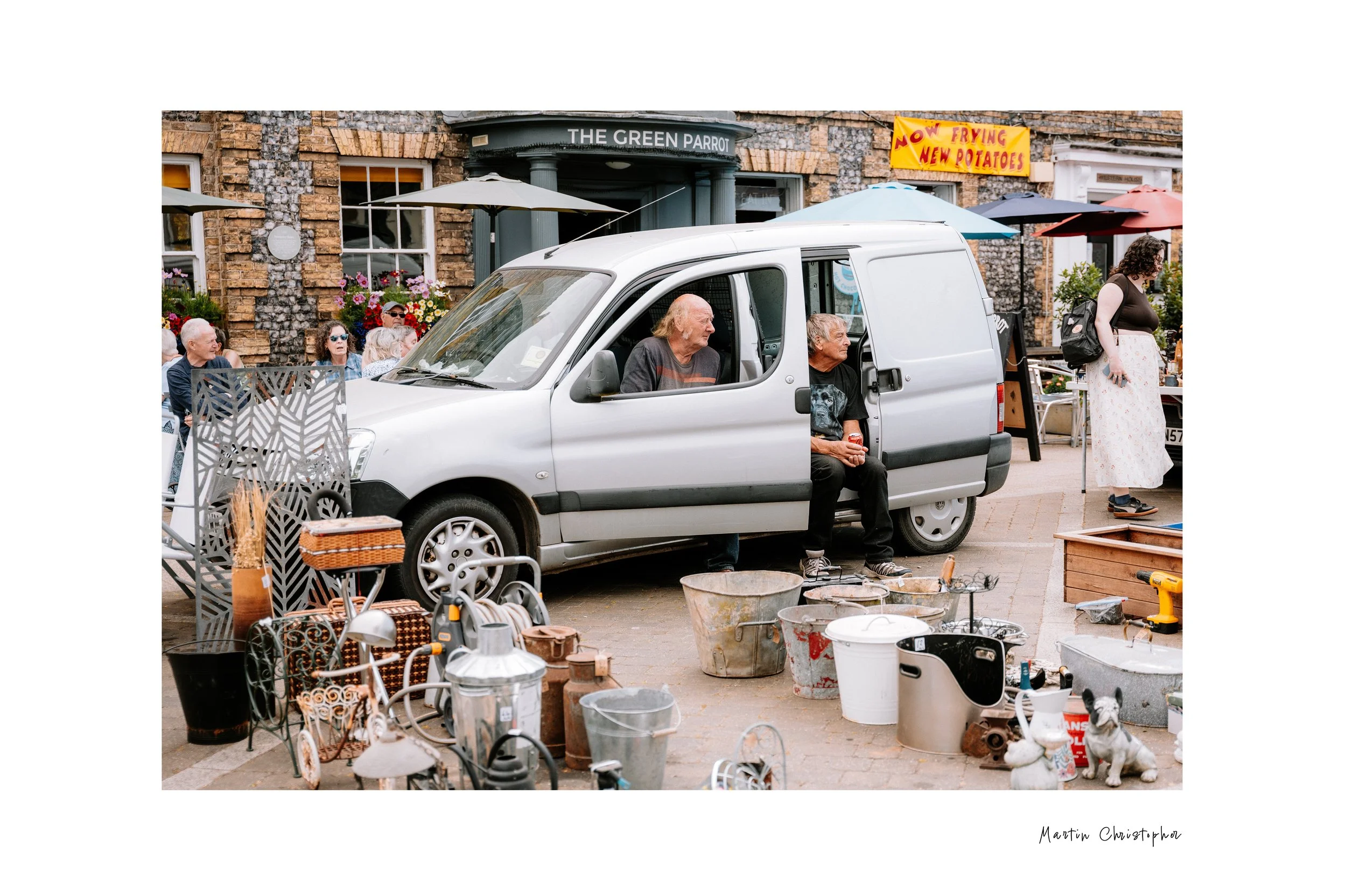
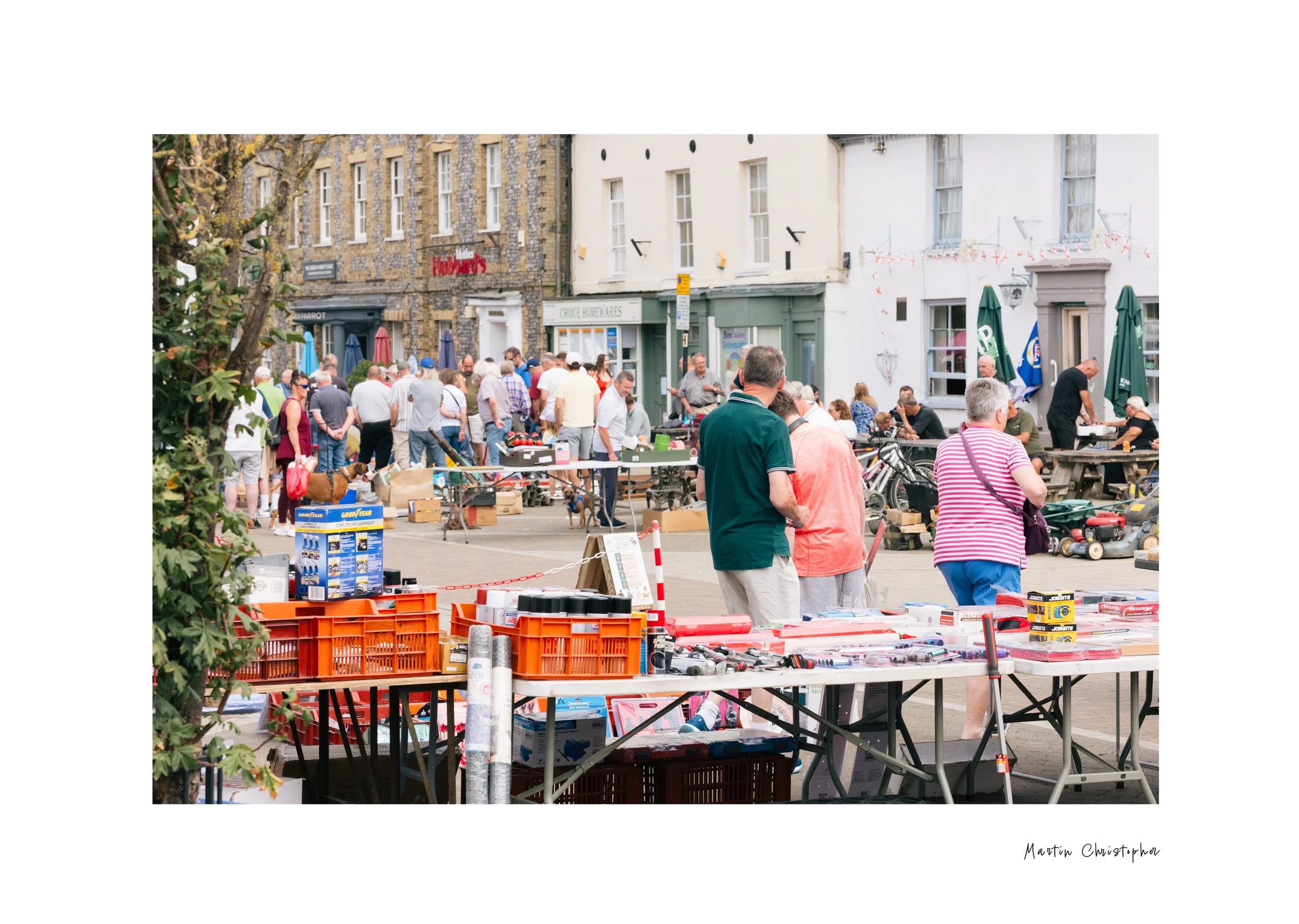
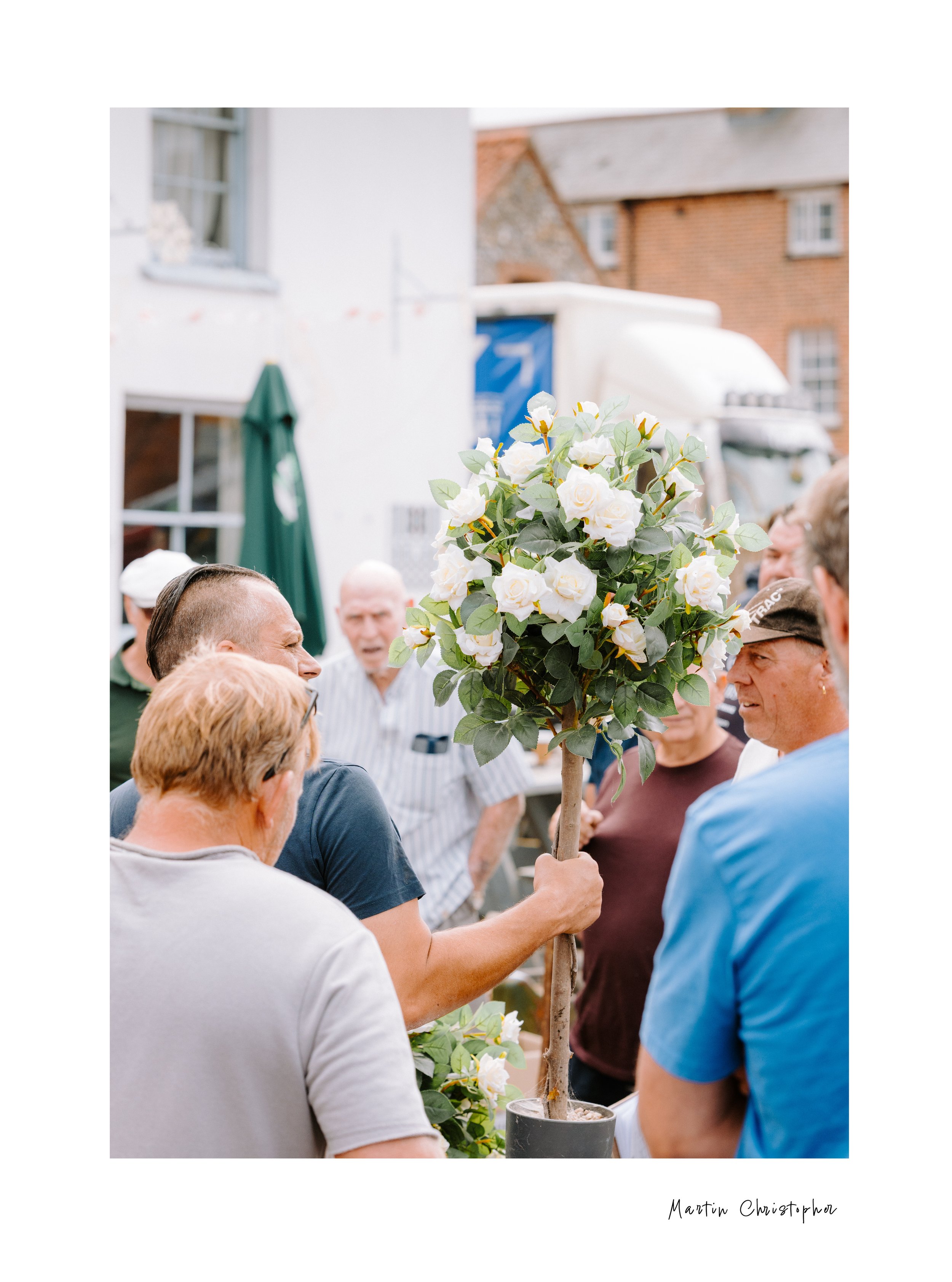
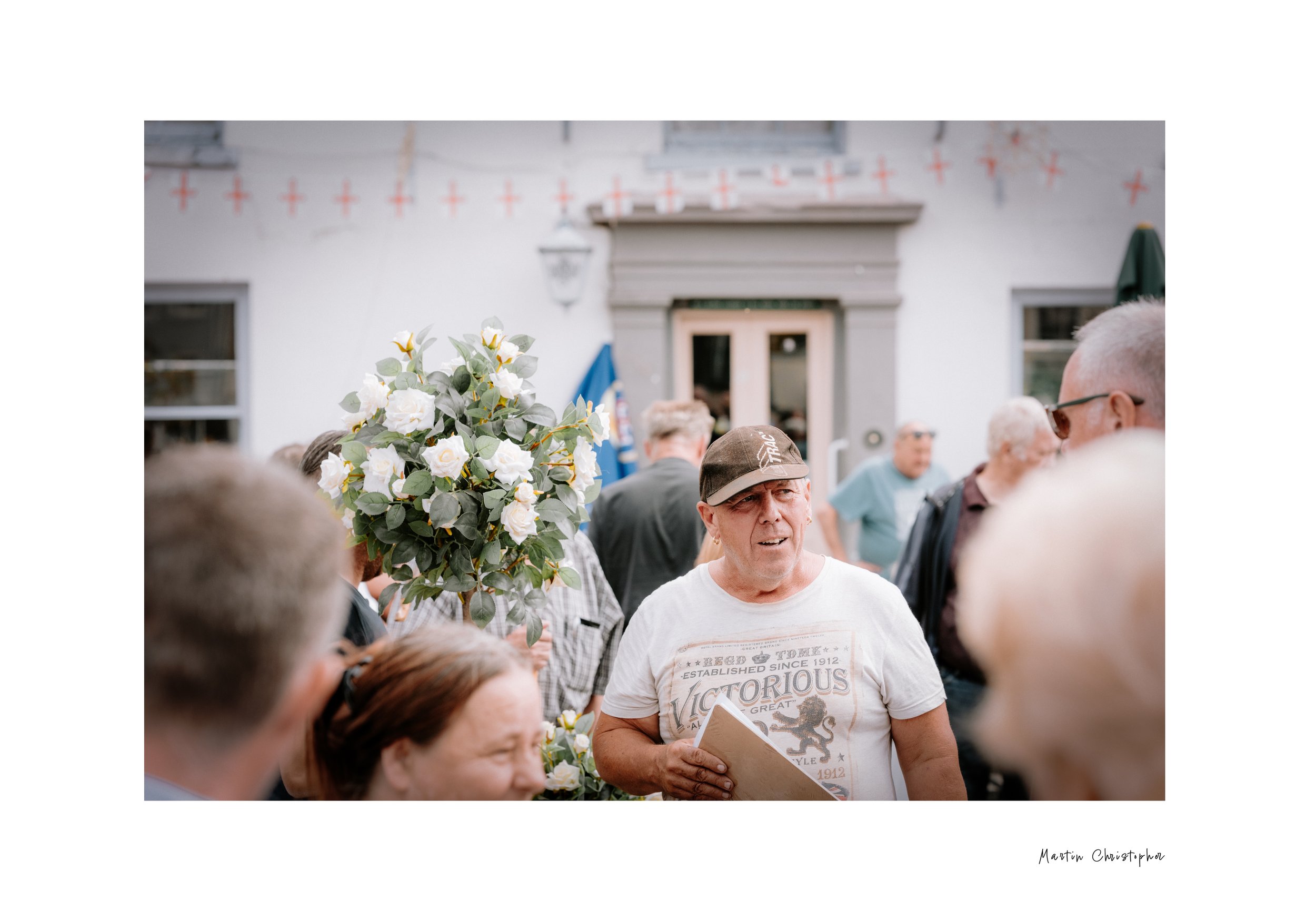
1215 – The first written record of Swaffham's Saturday Market, a tradition that has continued for more than 800 years.
13th–15th centuries – The town prospered through the wool and sheep trade, becoming one of Norfolk's wealthiest market towns.
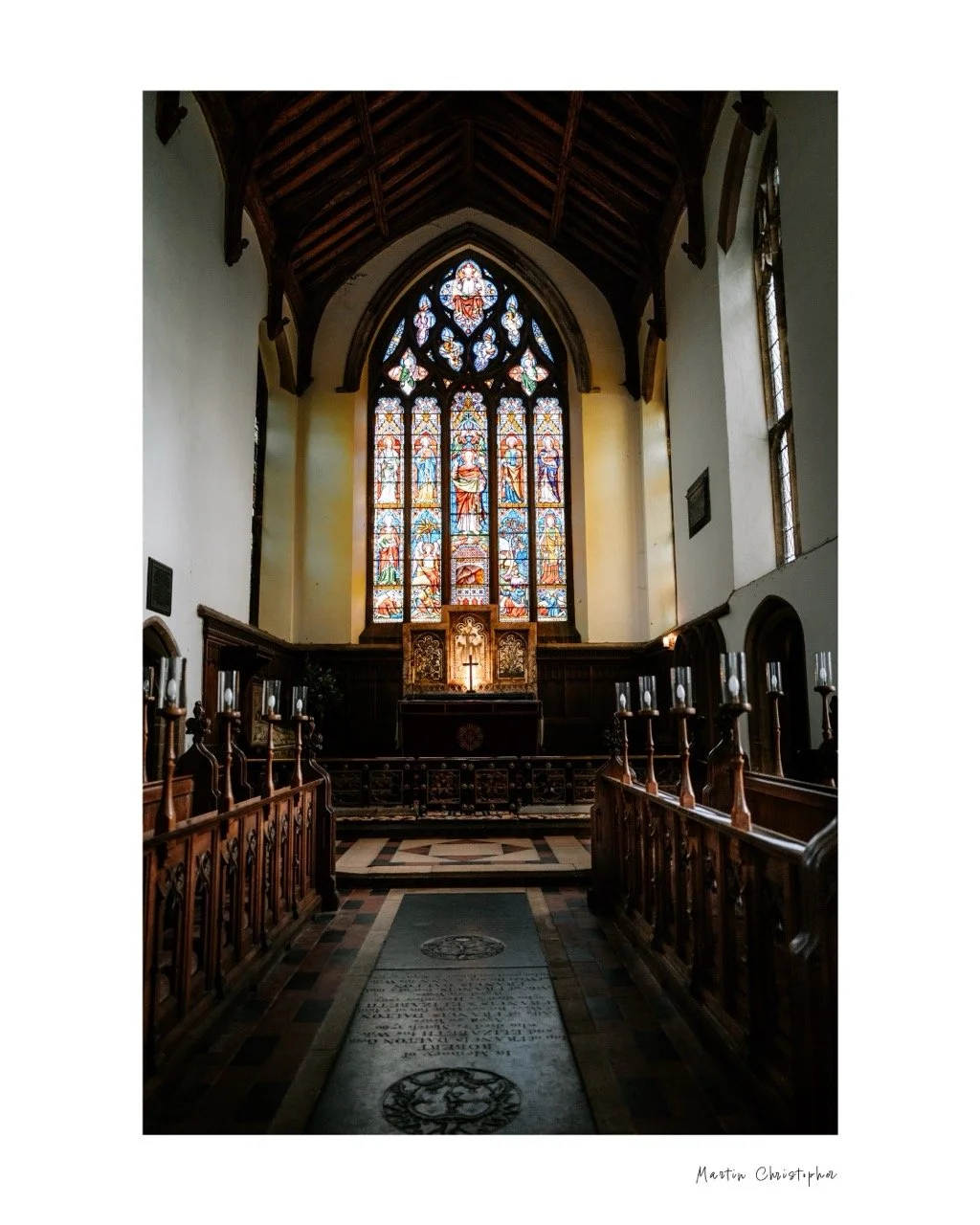
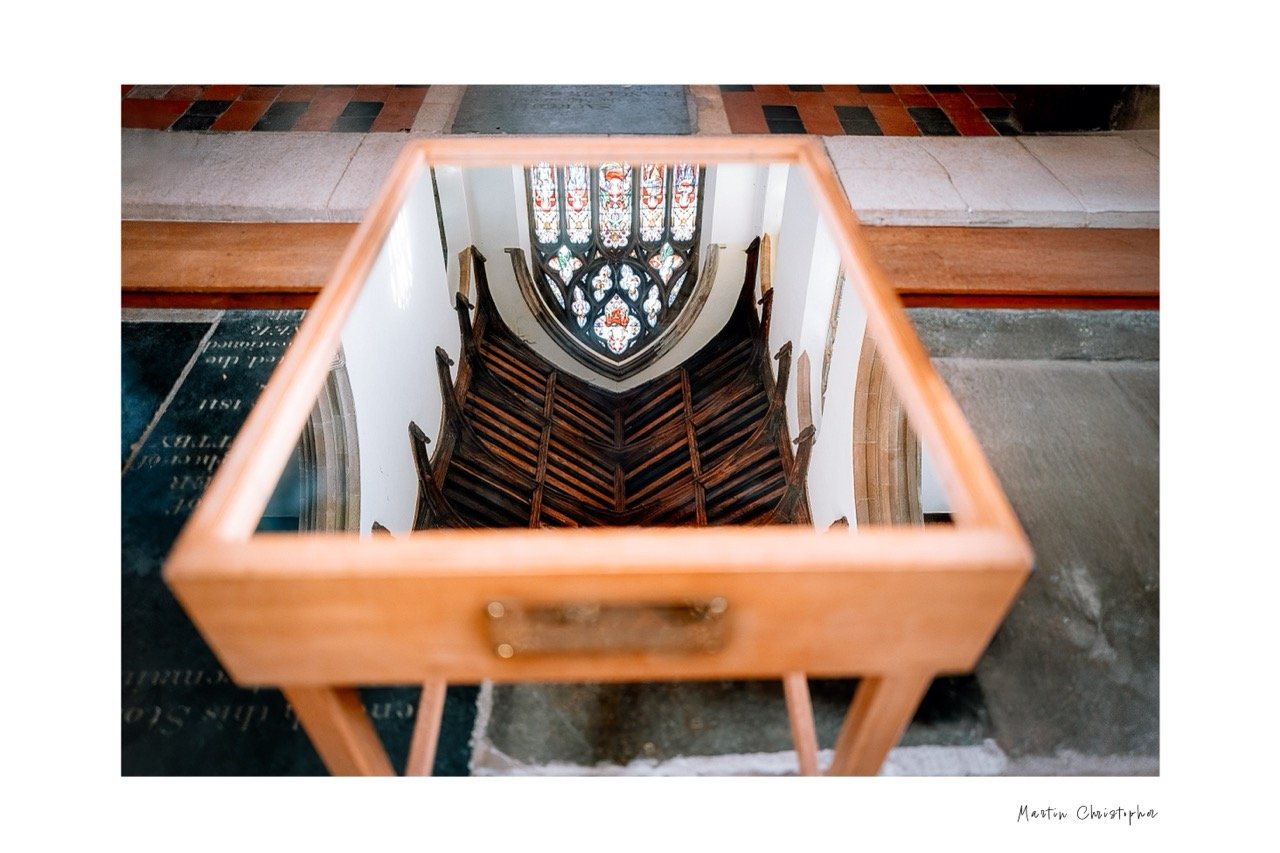
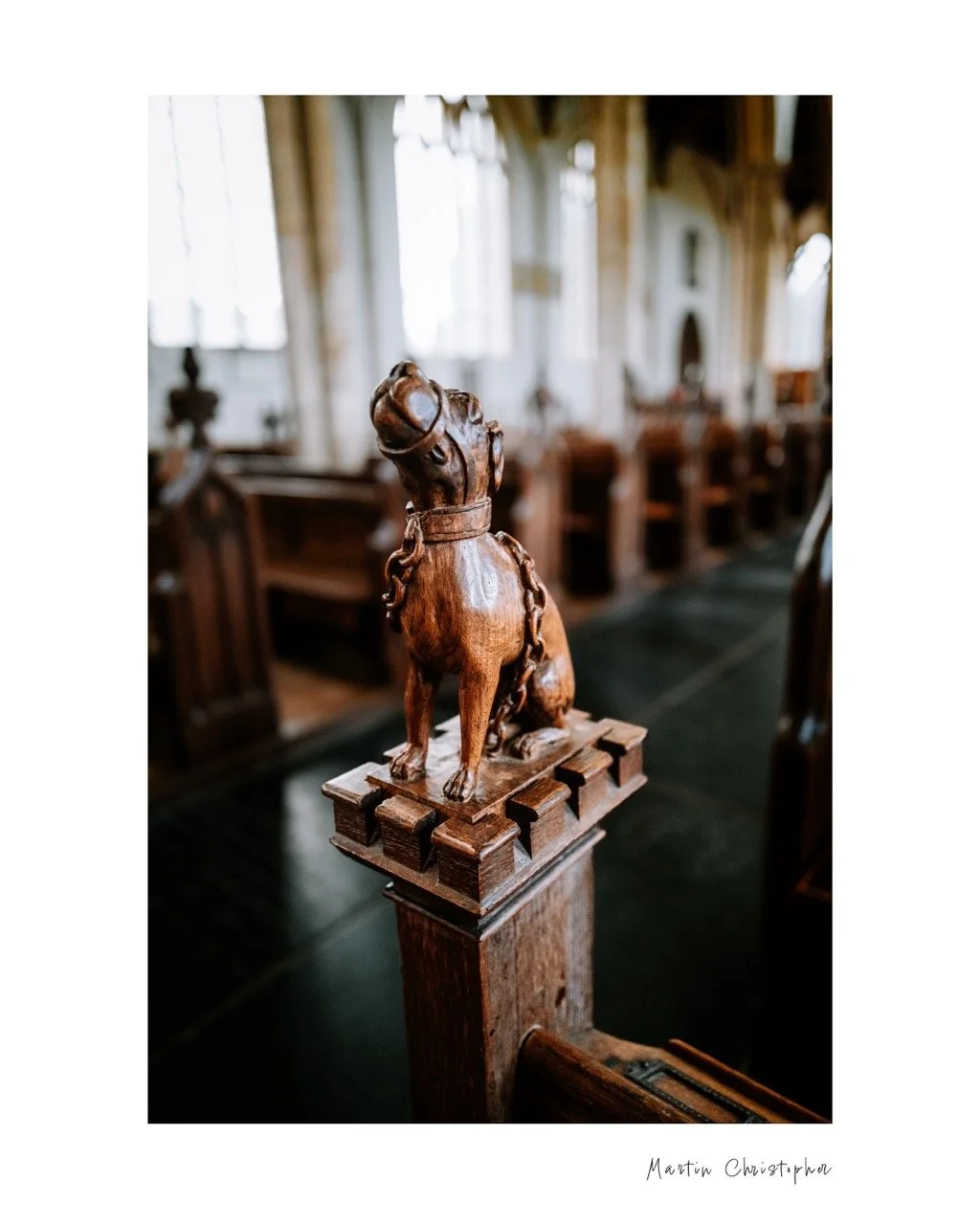
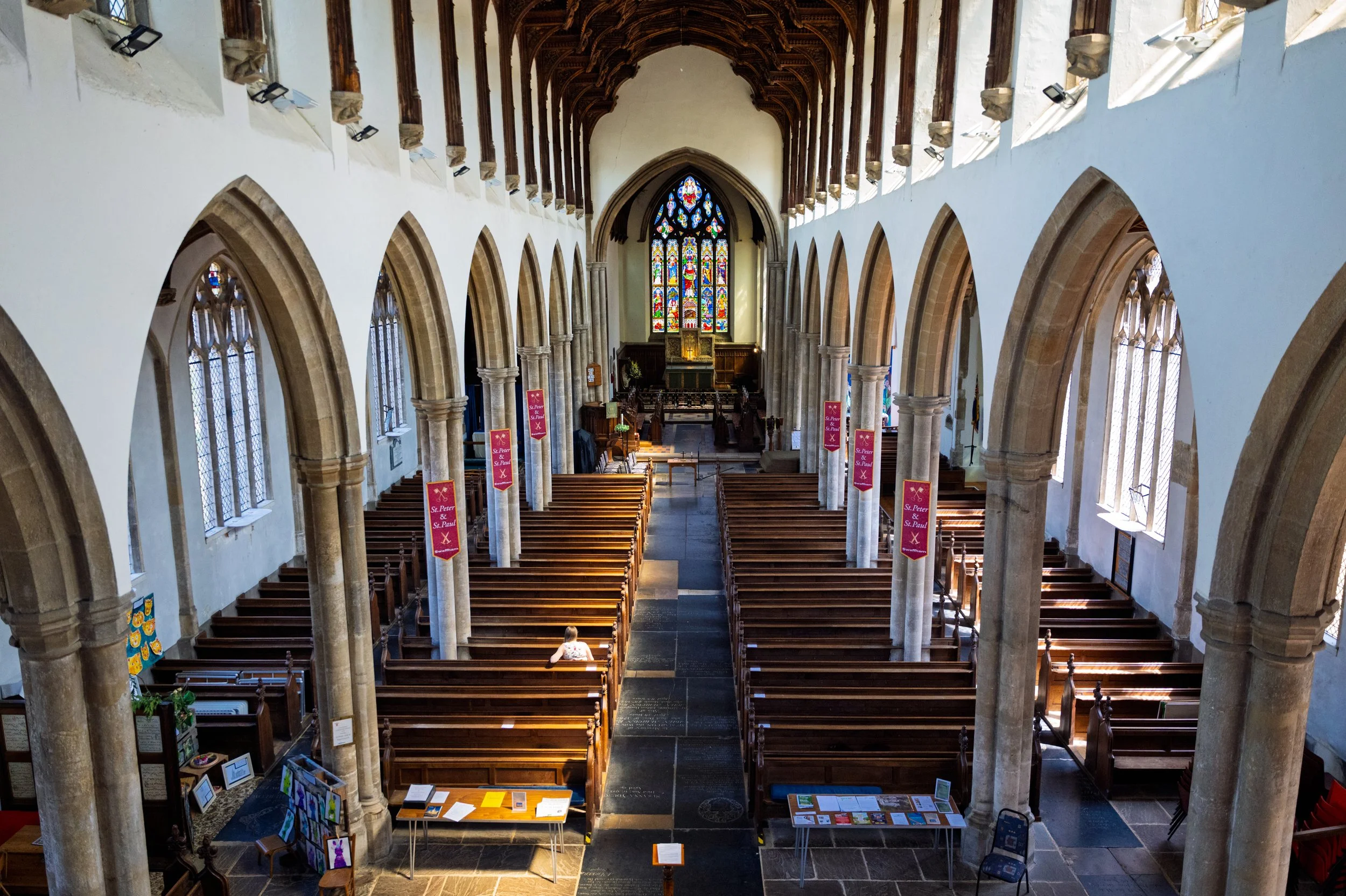
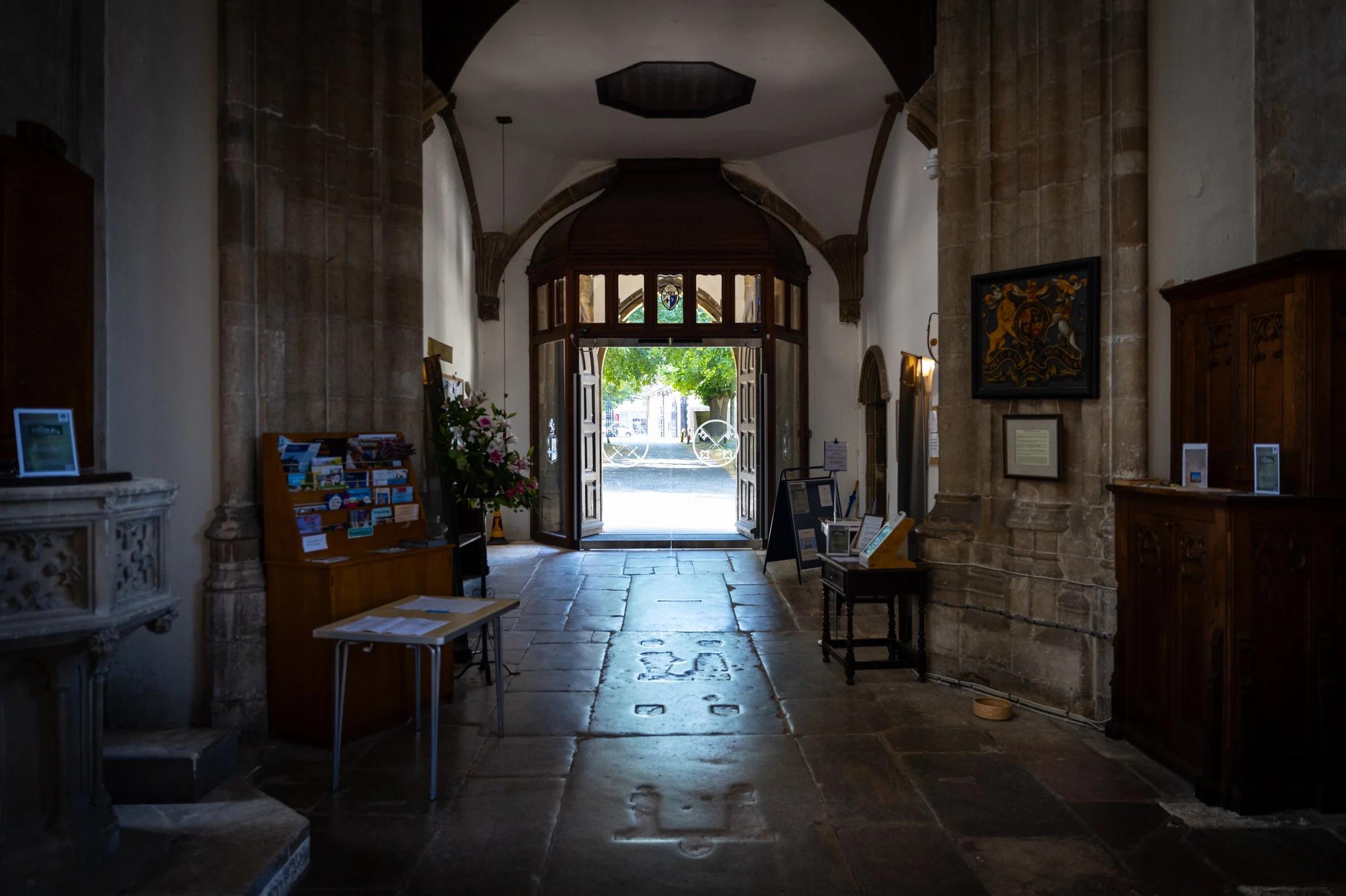
1454 onwards – The magnificent Church of St Peter and St Paul was rebuilt, becoming one of Norfolk's finest parish churches.
1736 – A devastating Great Fire destroyed much of the town, leading to the Georgian architecture seen today.
1783 – The iconic Market Cross (Butter Cross) was erected in the Market Place and remains Swaffham's centrepiece.
1847 – The arrival of the railway improved trade and connected Swaffham with the rest of Norfolk.
1922 – Howard Carter, who spent much of his childhood in Swaffham, achieved worldwide fame with the discovery of Tutankhamun's tomb.
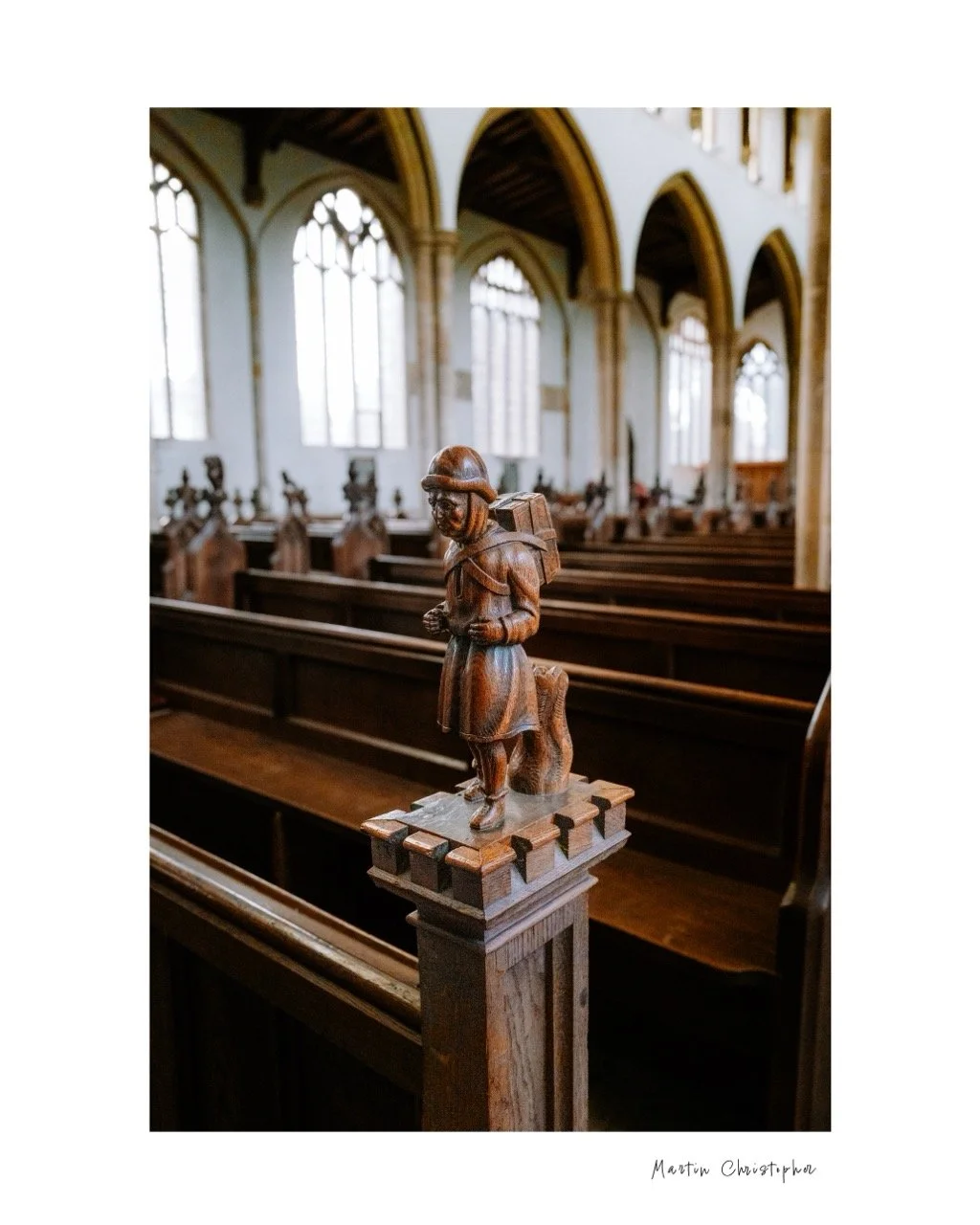
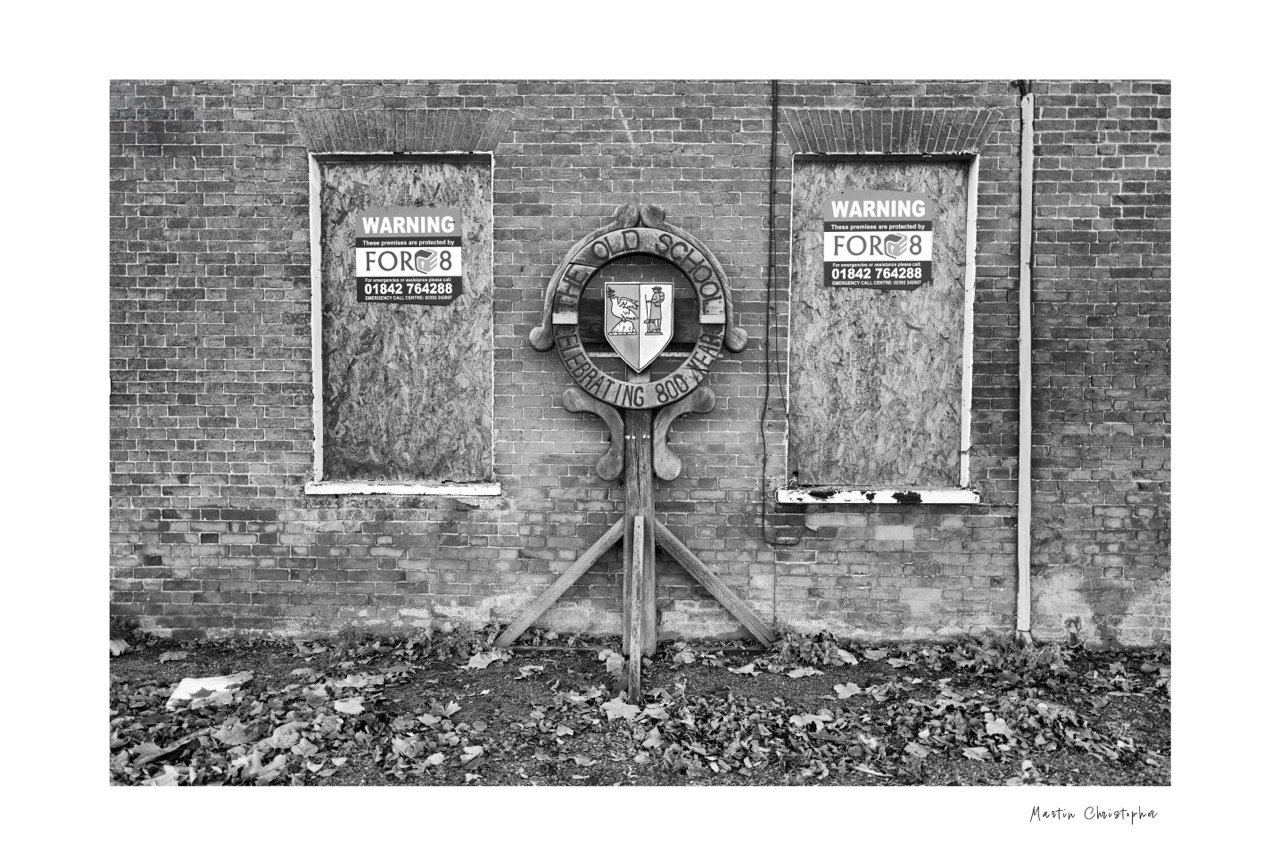
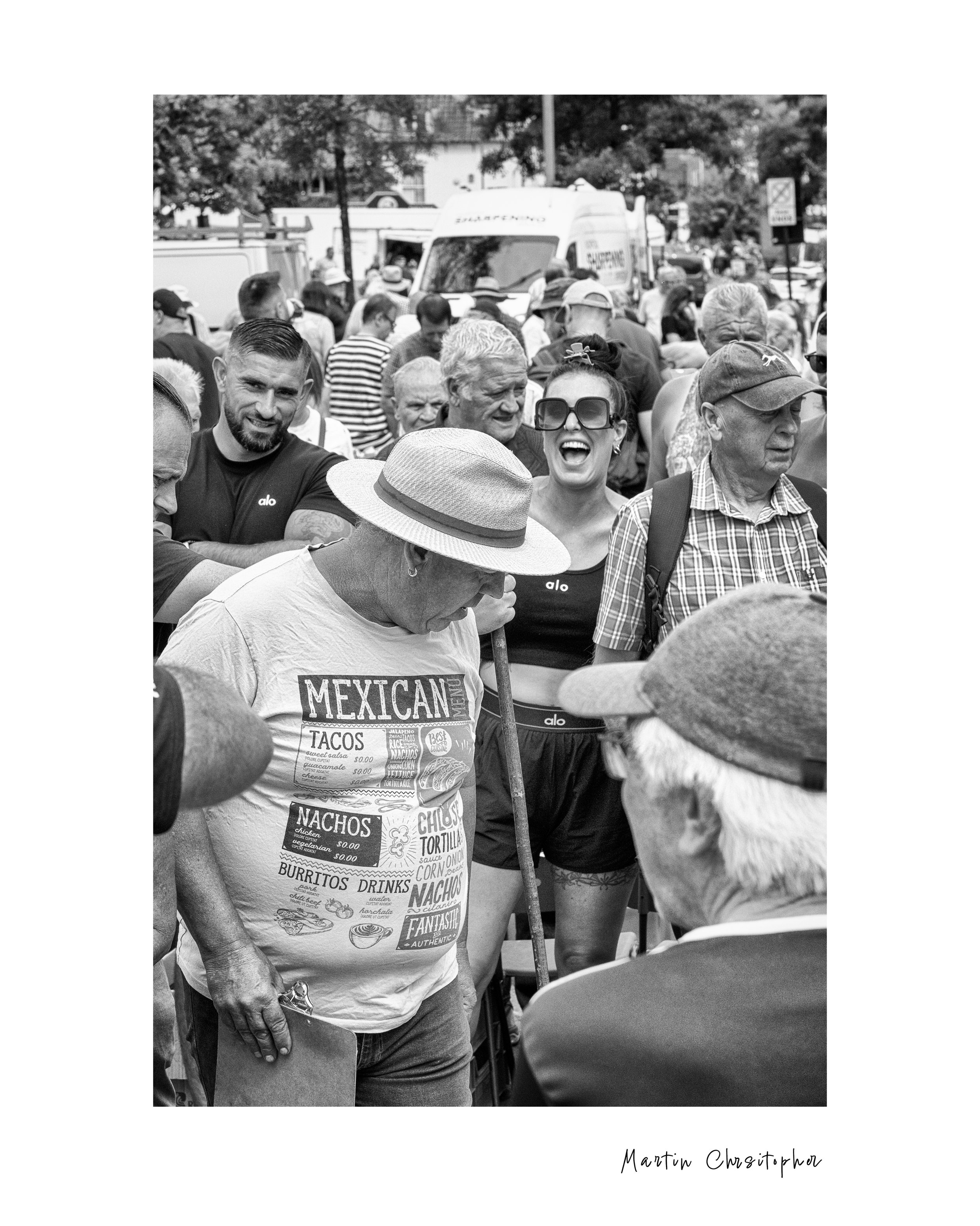
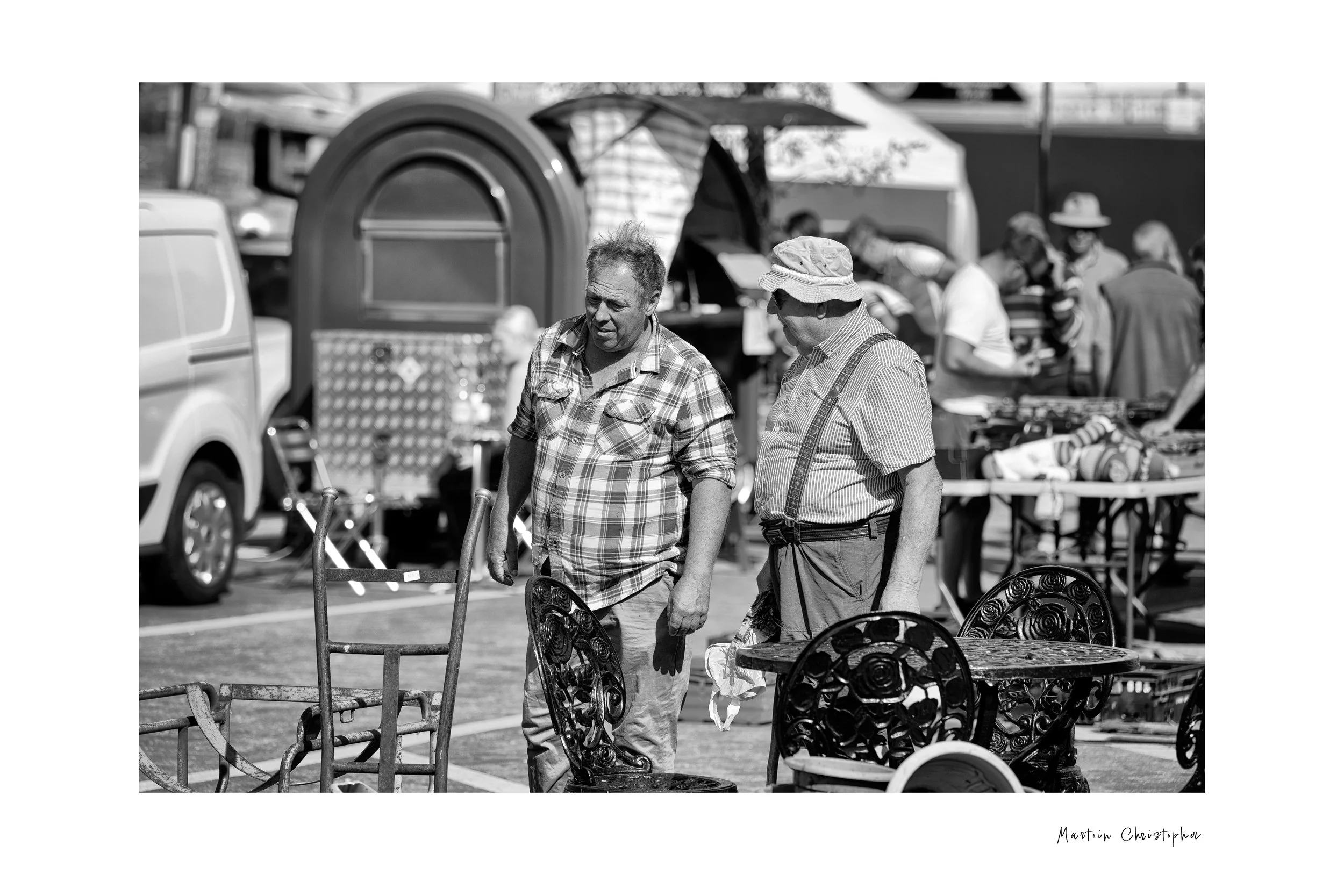
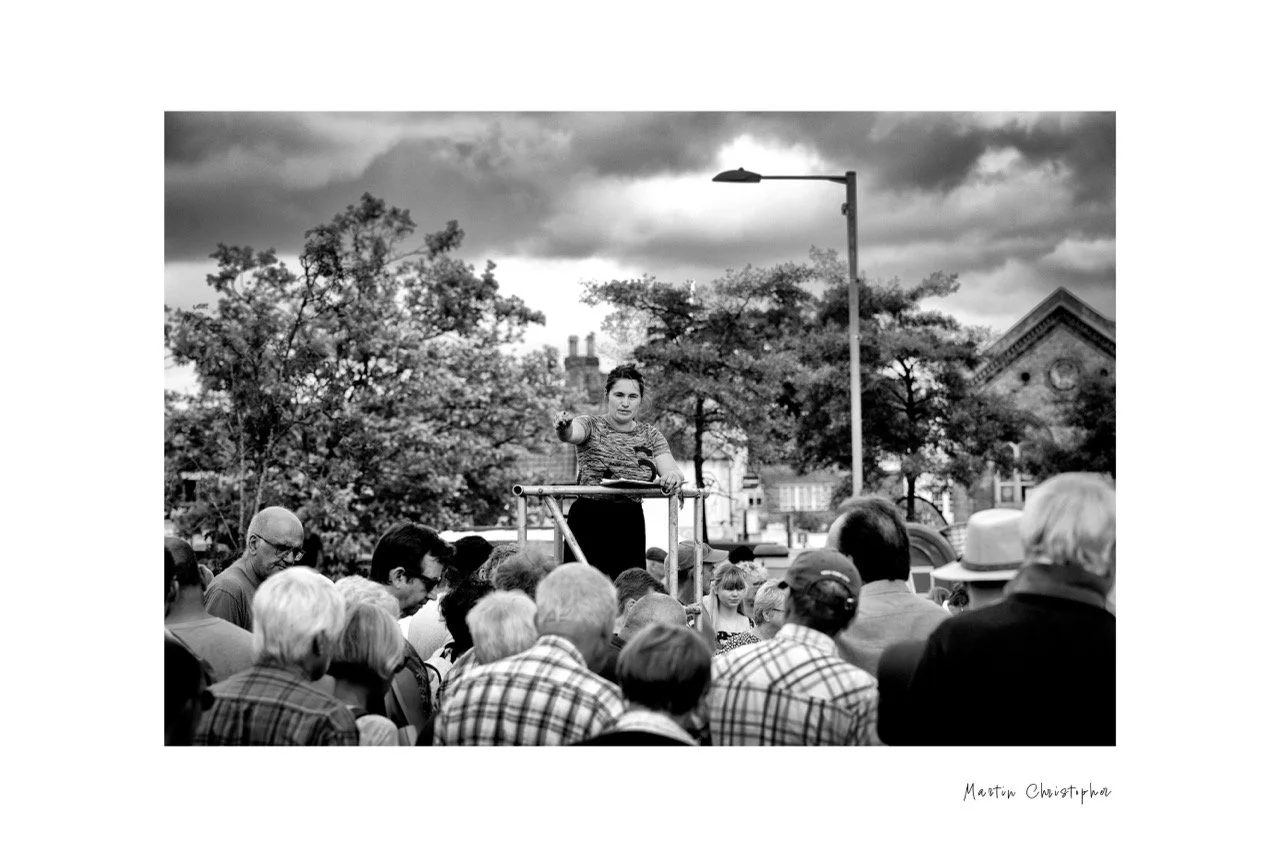
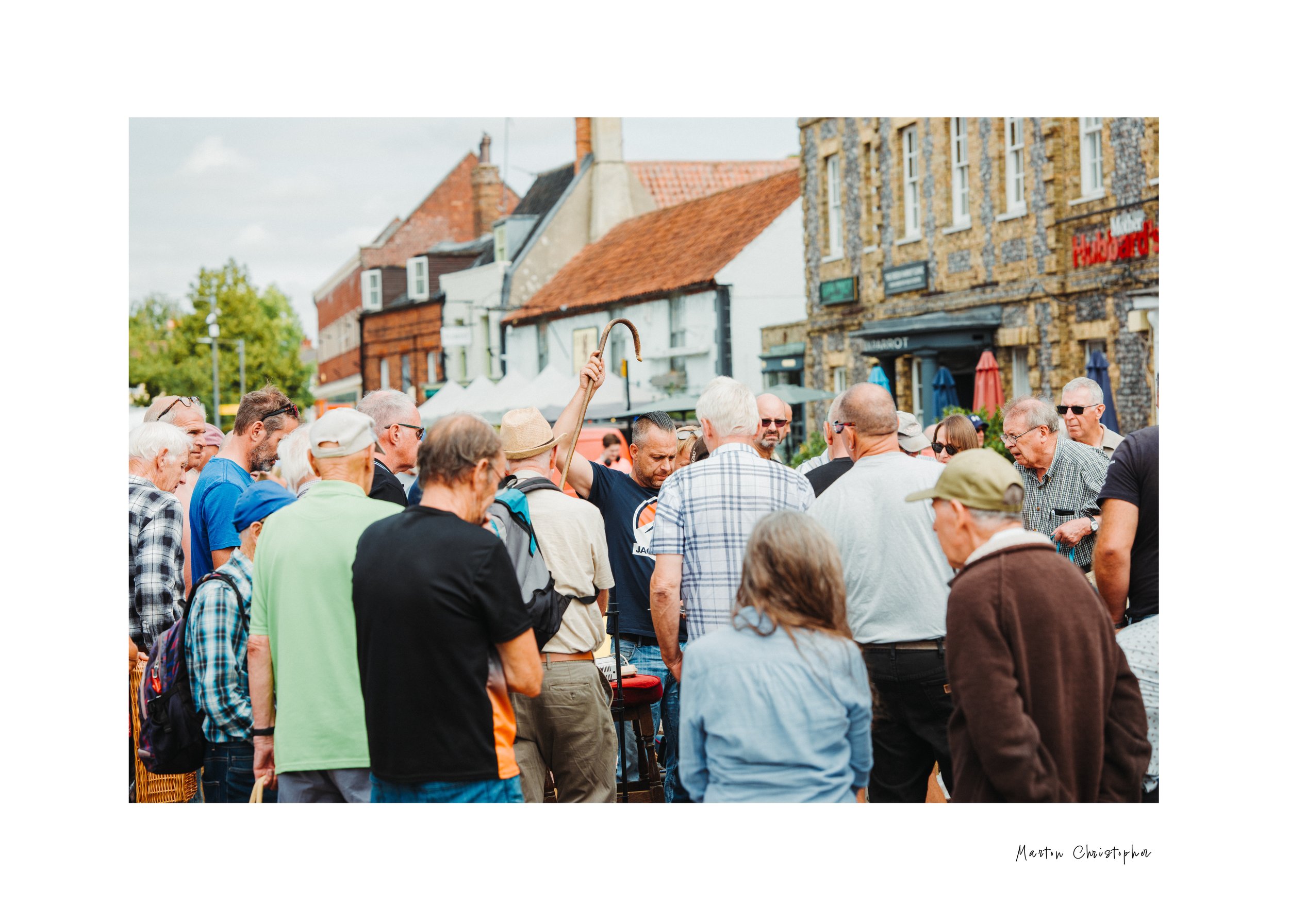
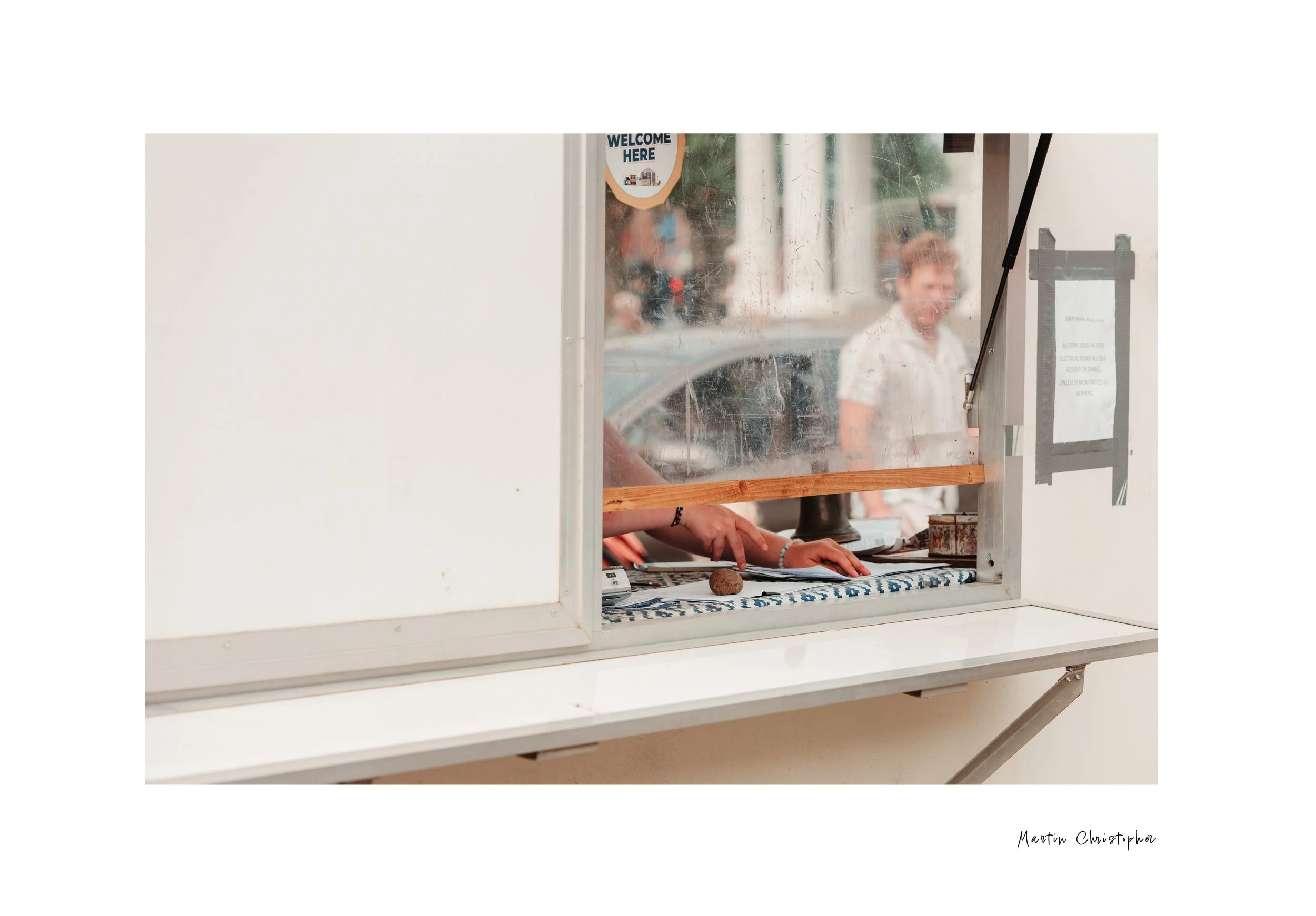
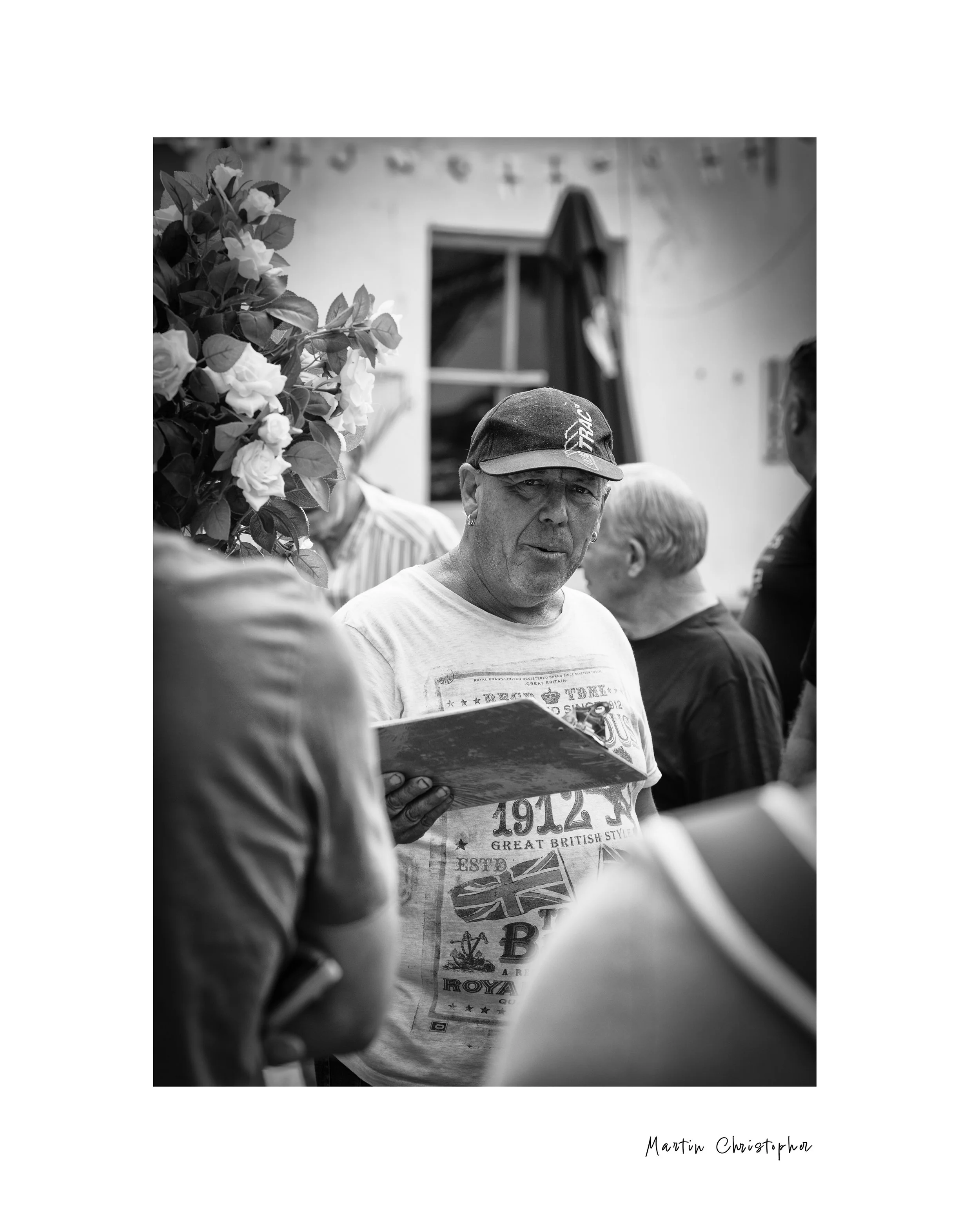
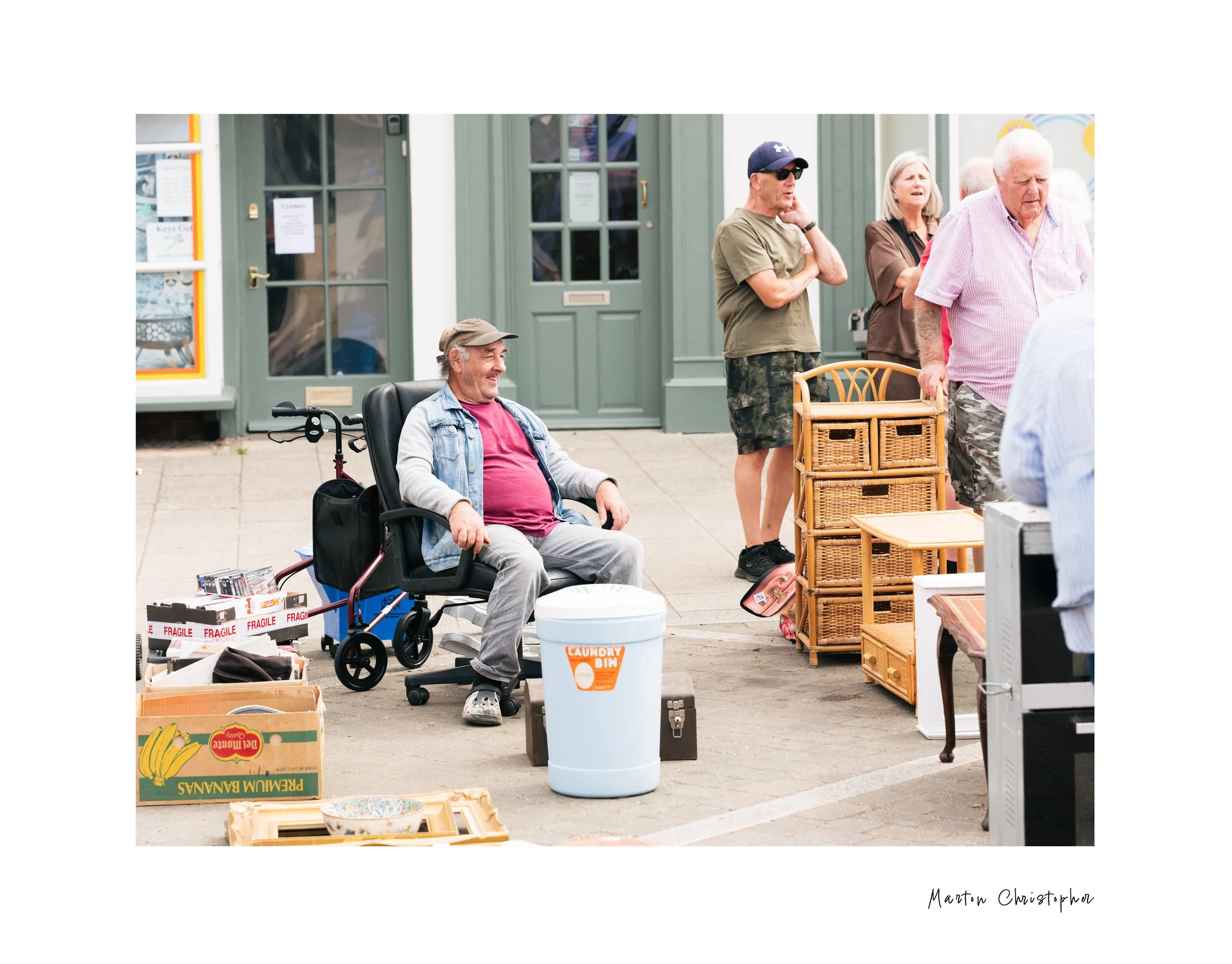
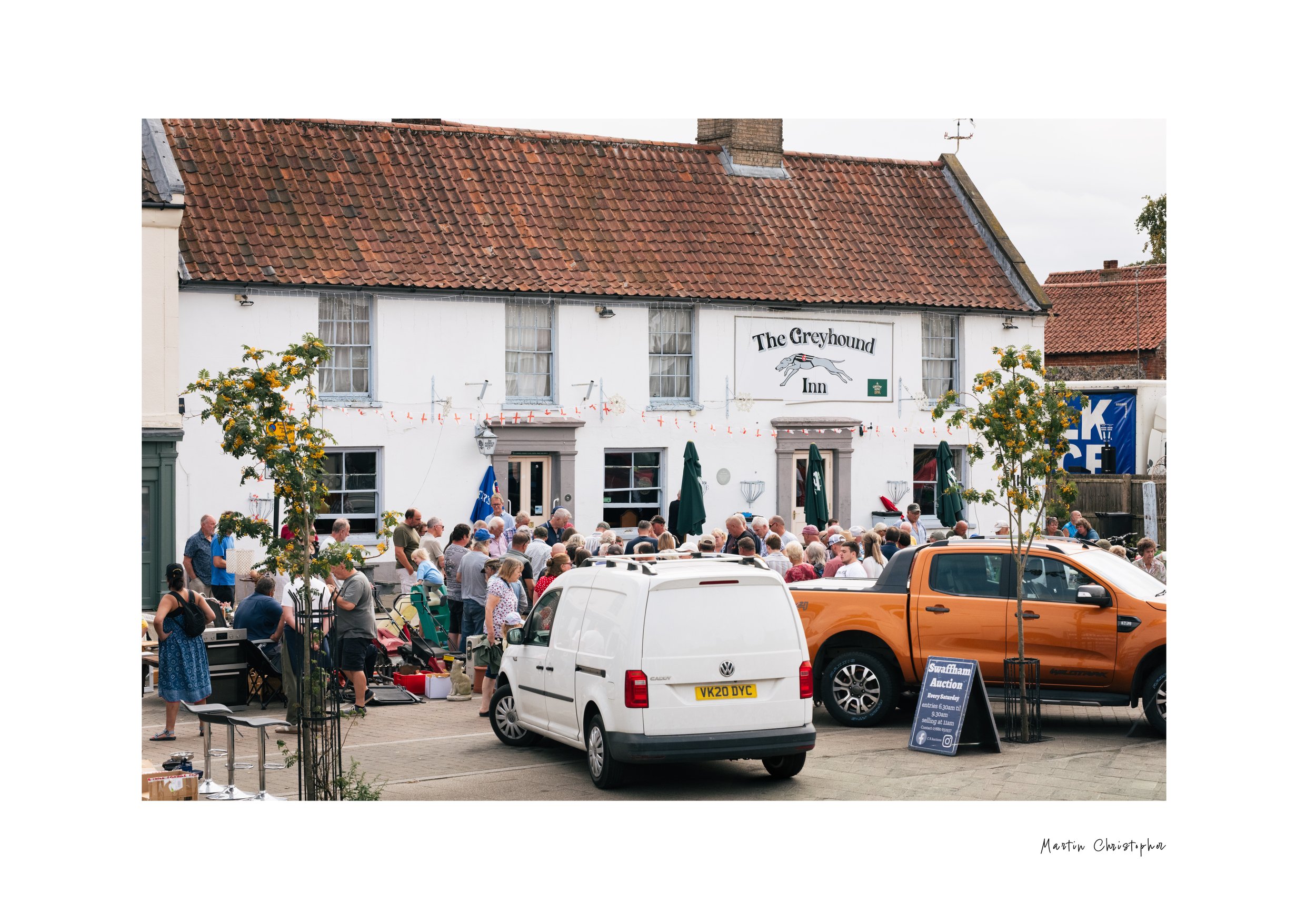
Today – Swaffham is renowned for its 800-year-old Saturday Market, the traditional street auction on The Stones, the Pedlar of Swaffham legend, and its status as one of Norfolk's best-preserved Georgian market towns.
To read a blog about the Saturday street auction - here